
A year of noticing all the ways fruit trees embody abolition.
Apple. Pomegranate. Pear. Loquat. Fig. Olive. Plum.
A collaboration with Malaya Tuyay, Hiroyo Kaneko, the Planting Justice East Oakland nursery staff and fruit tree recipients in Sobrante Park.
This project was made possible with support from The Creative Work Fund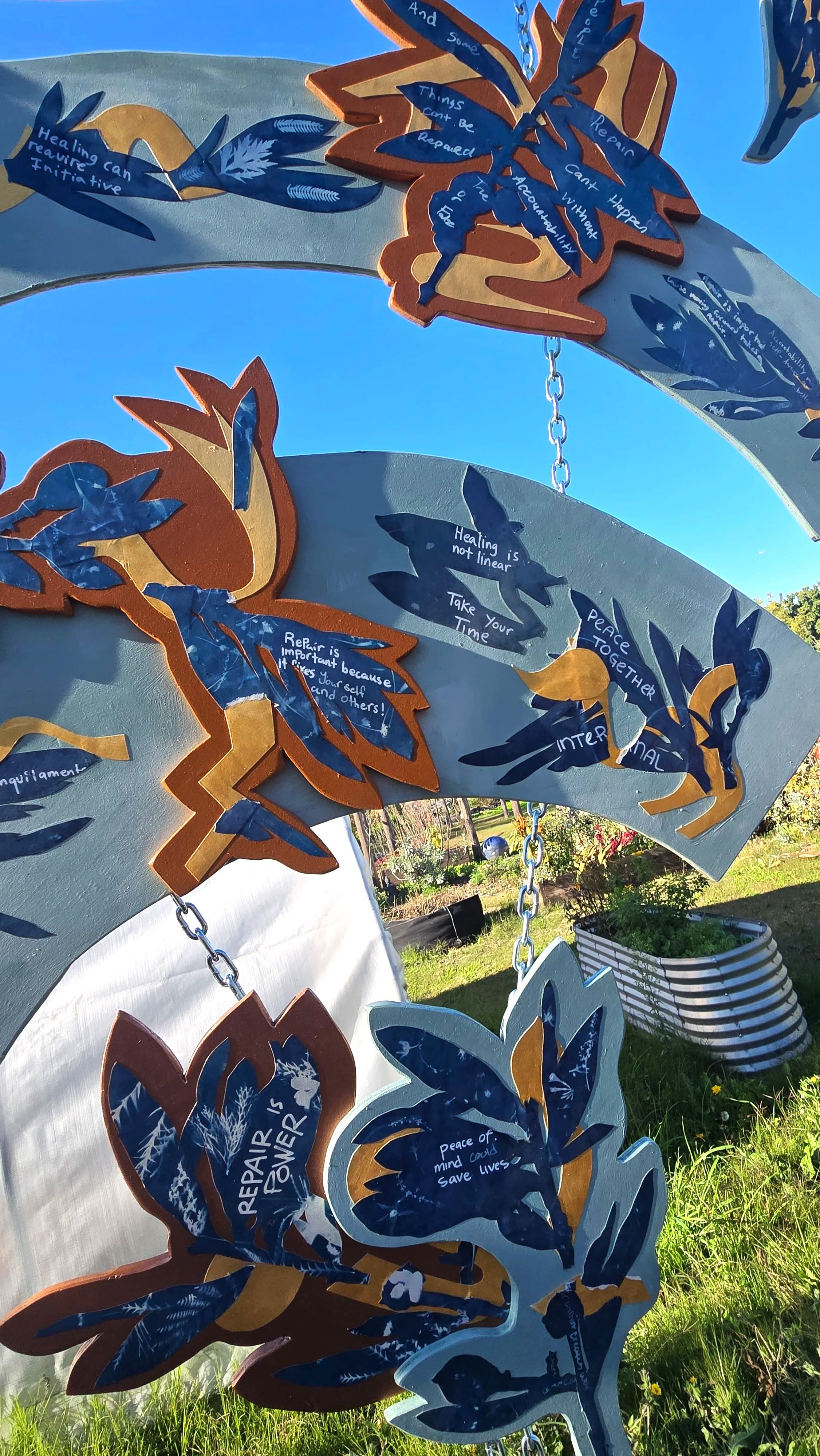
What becomes possible when a community is invited to grow fruit trees and look to them as abolitionist leaders?
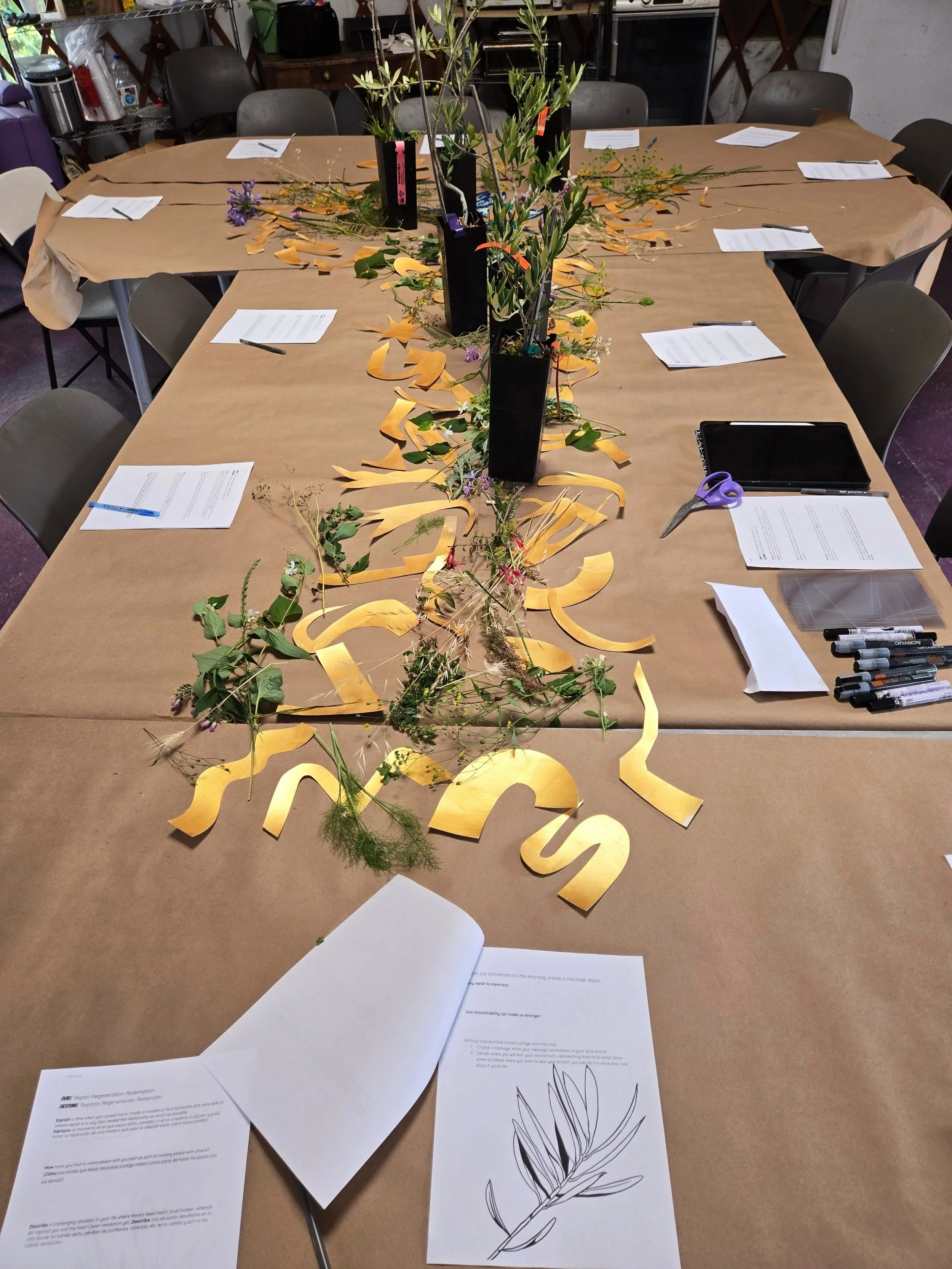
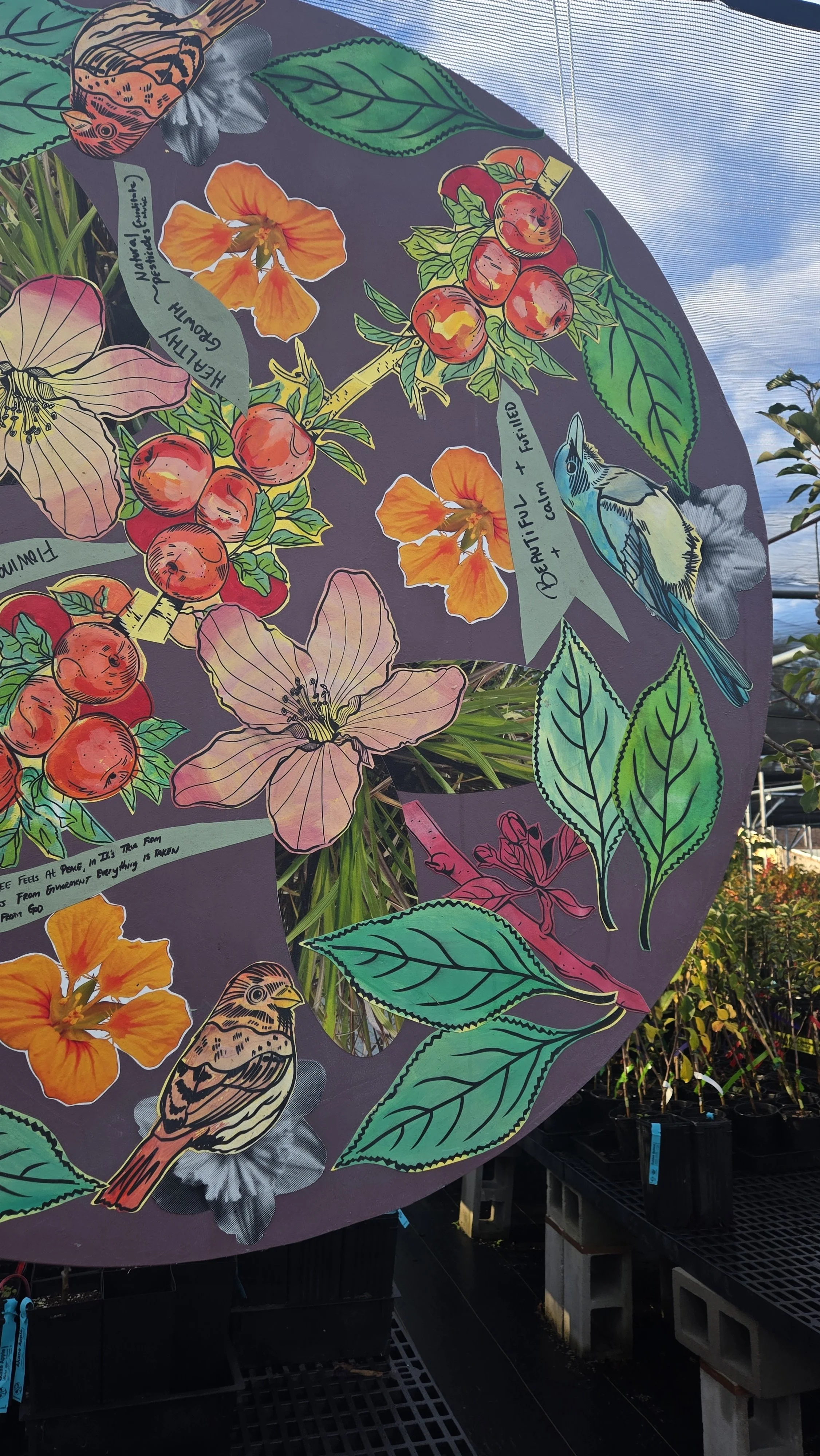
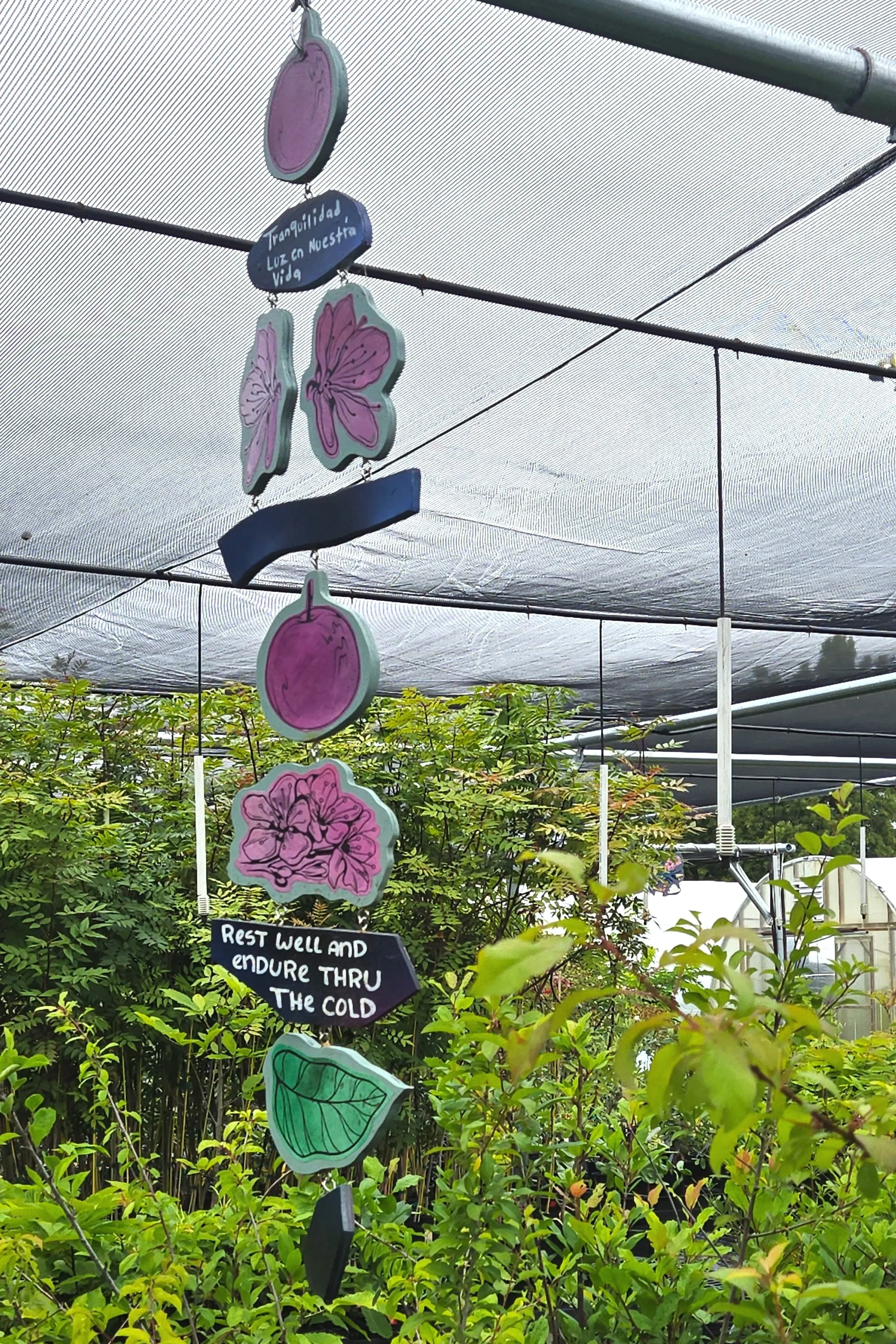
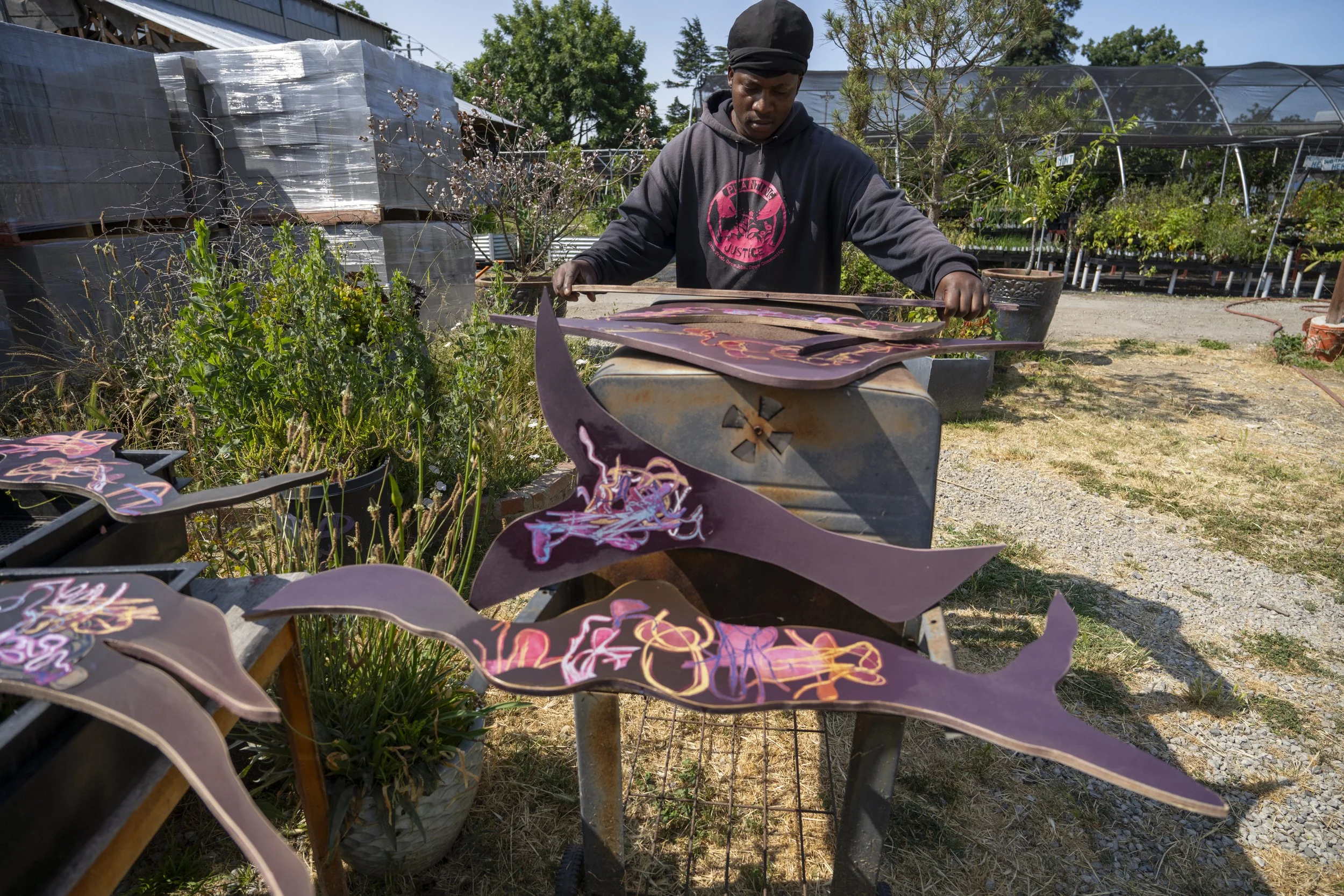
In 2021 formerly incarcerated dads on staff at Planting Justice led the momentum to plant what turned into nearly 3000 fruit trees in the yards of households across East Oakland. This story needed to be told in a way that the voices of the community and the teaching of the trees could be loud, reflective and aspirational. Over the course of a full year, we held workshops focusing on the abolitionist qualities of 7 different fruit trees, and made art about their knowledge and invitations. We recorded community interviews, photographed tree family portraits, created a series of videos, a zine and even a song.
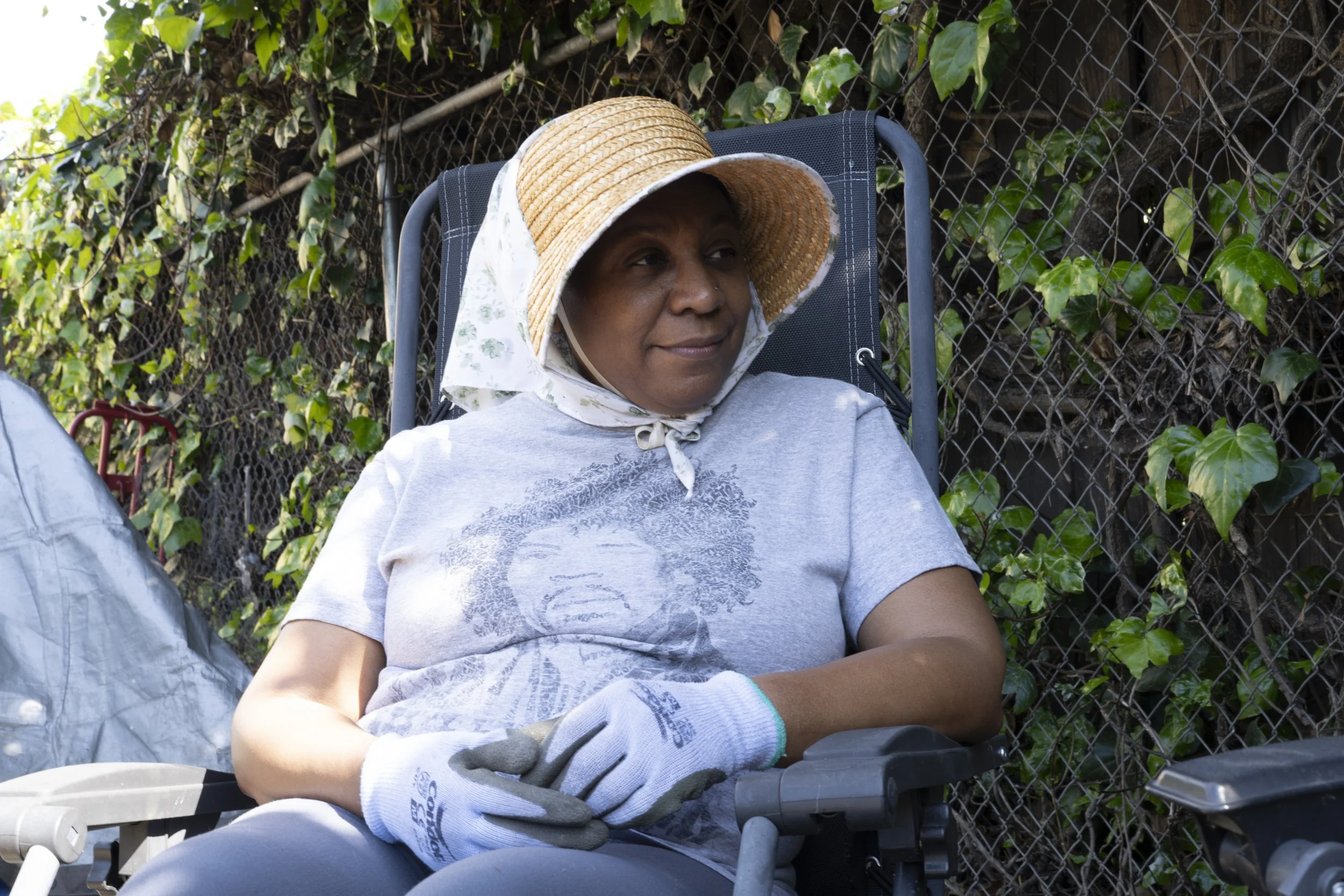
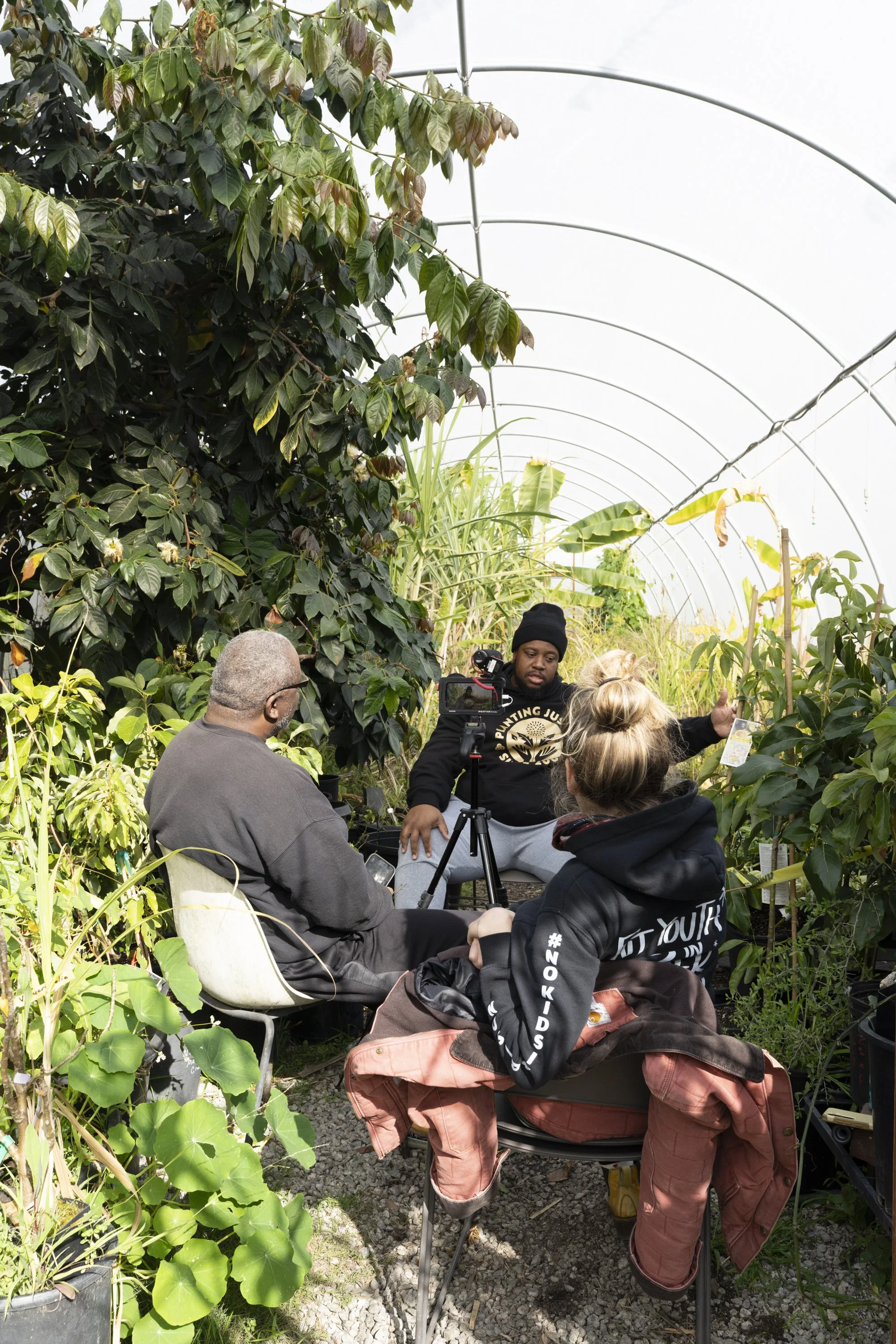
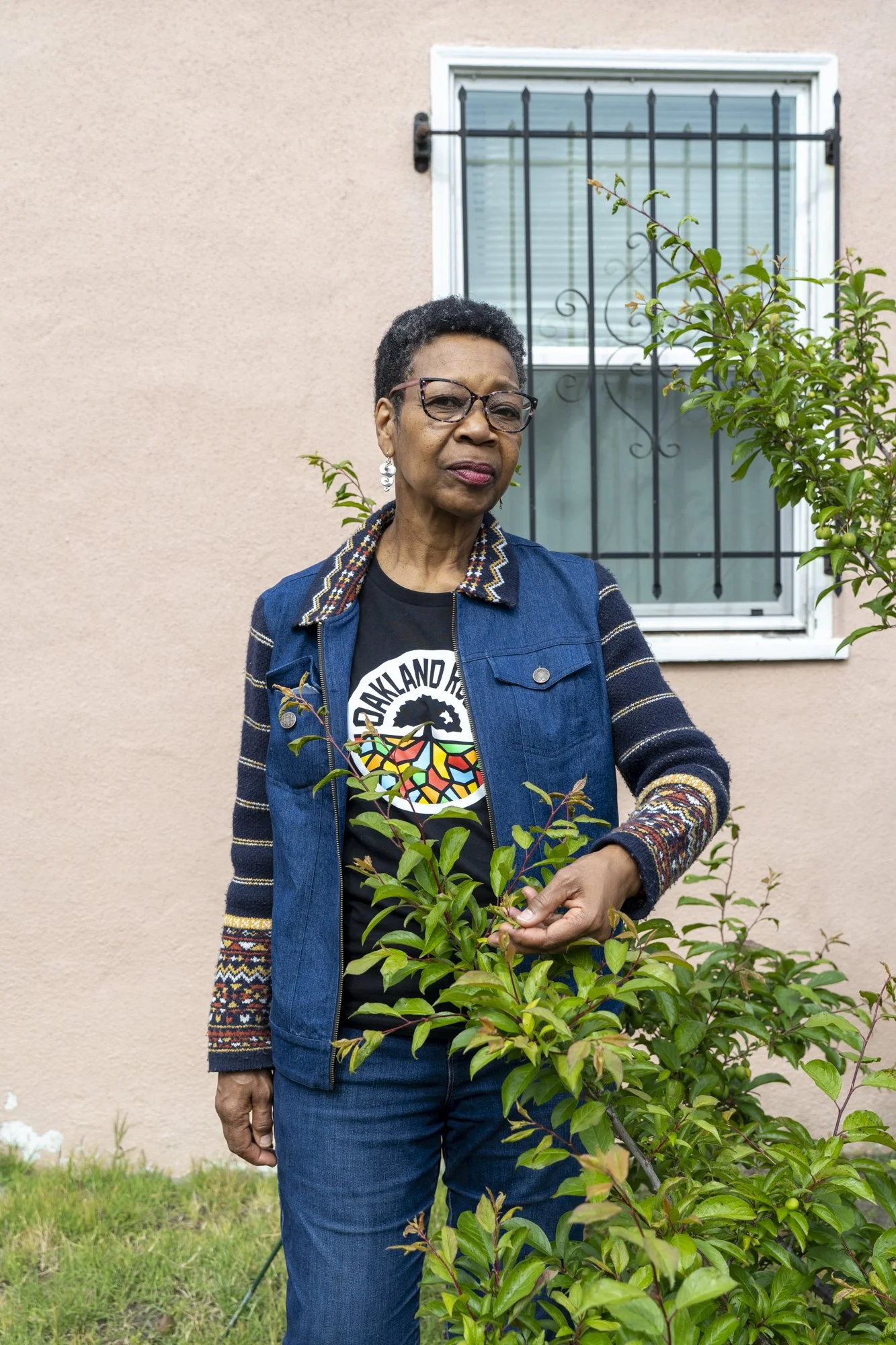
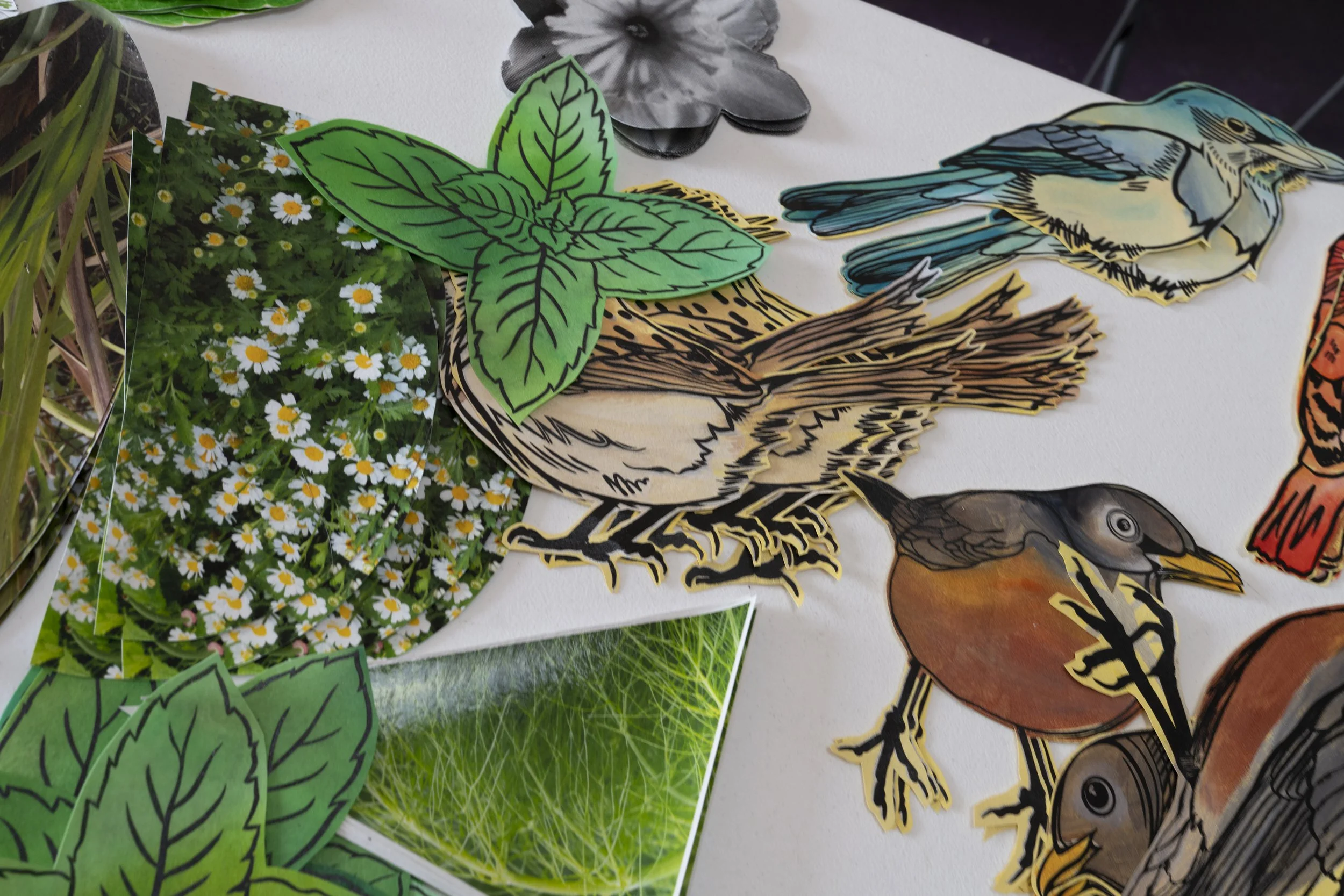
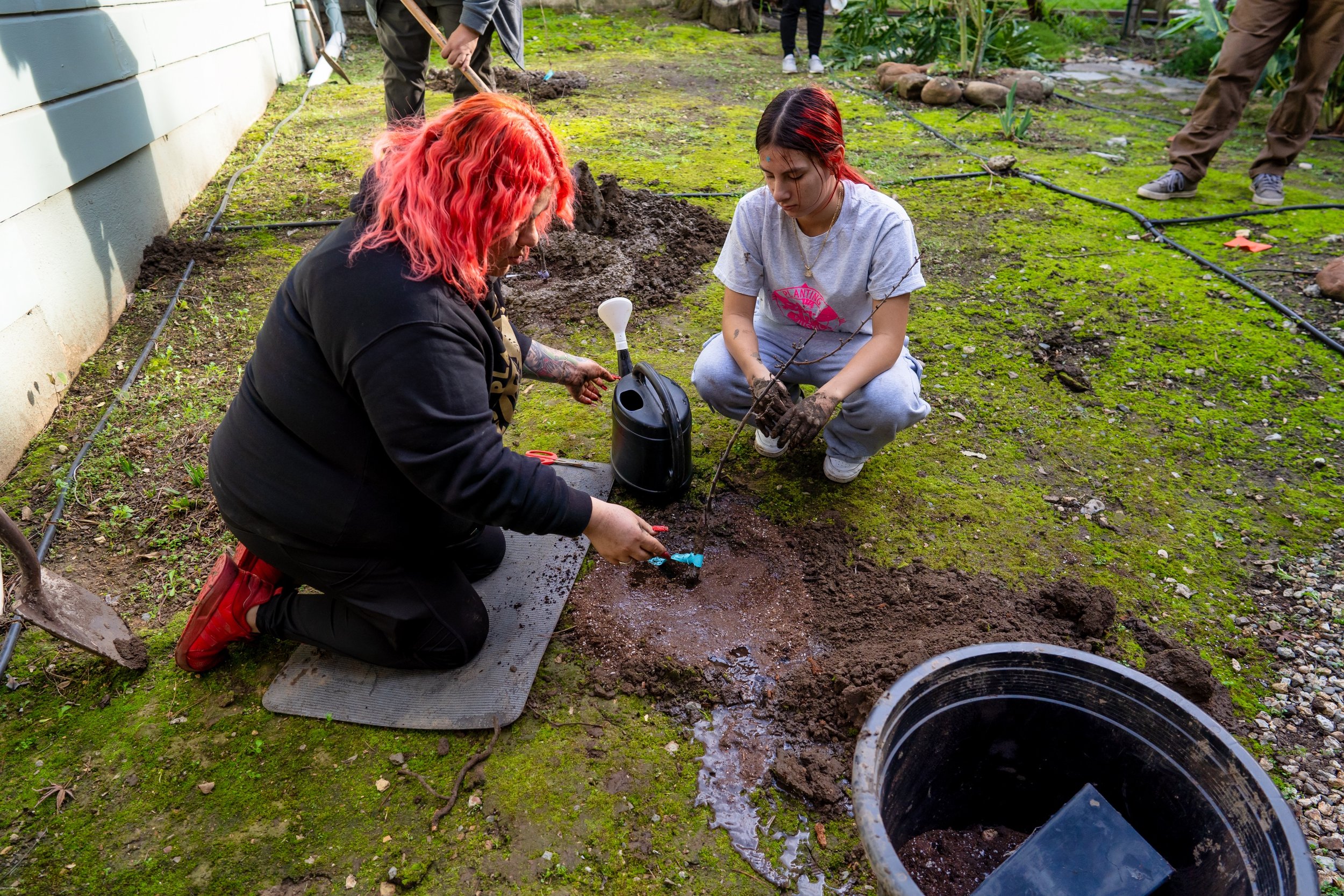
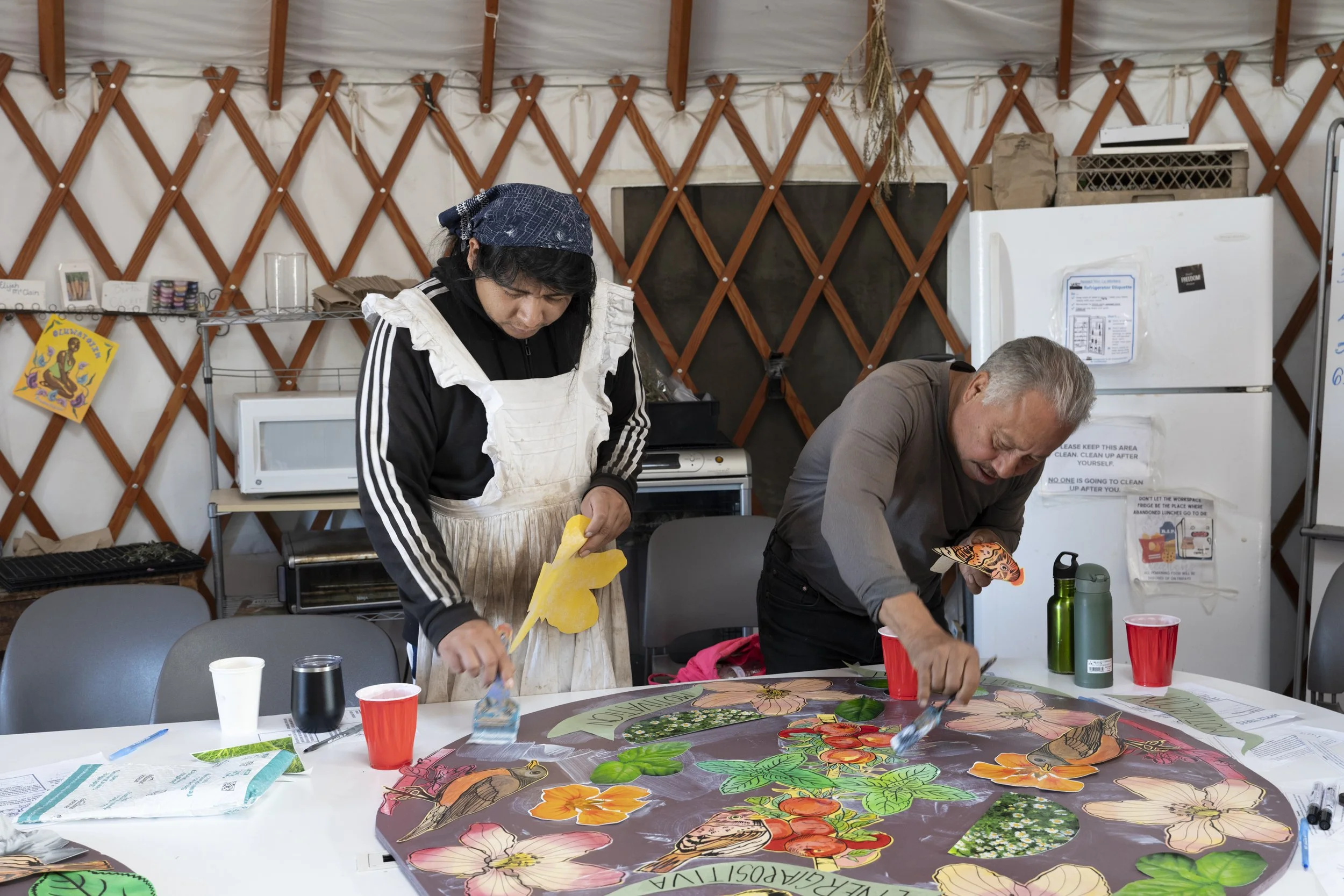
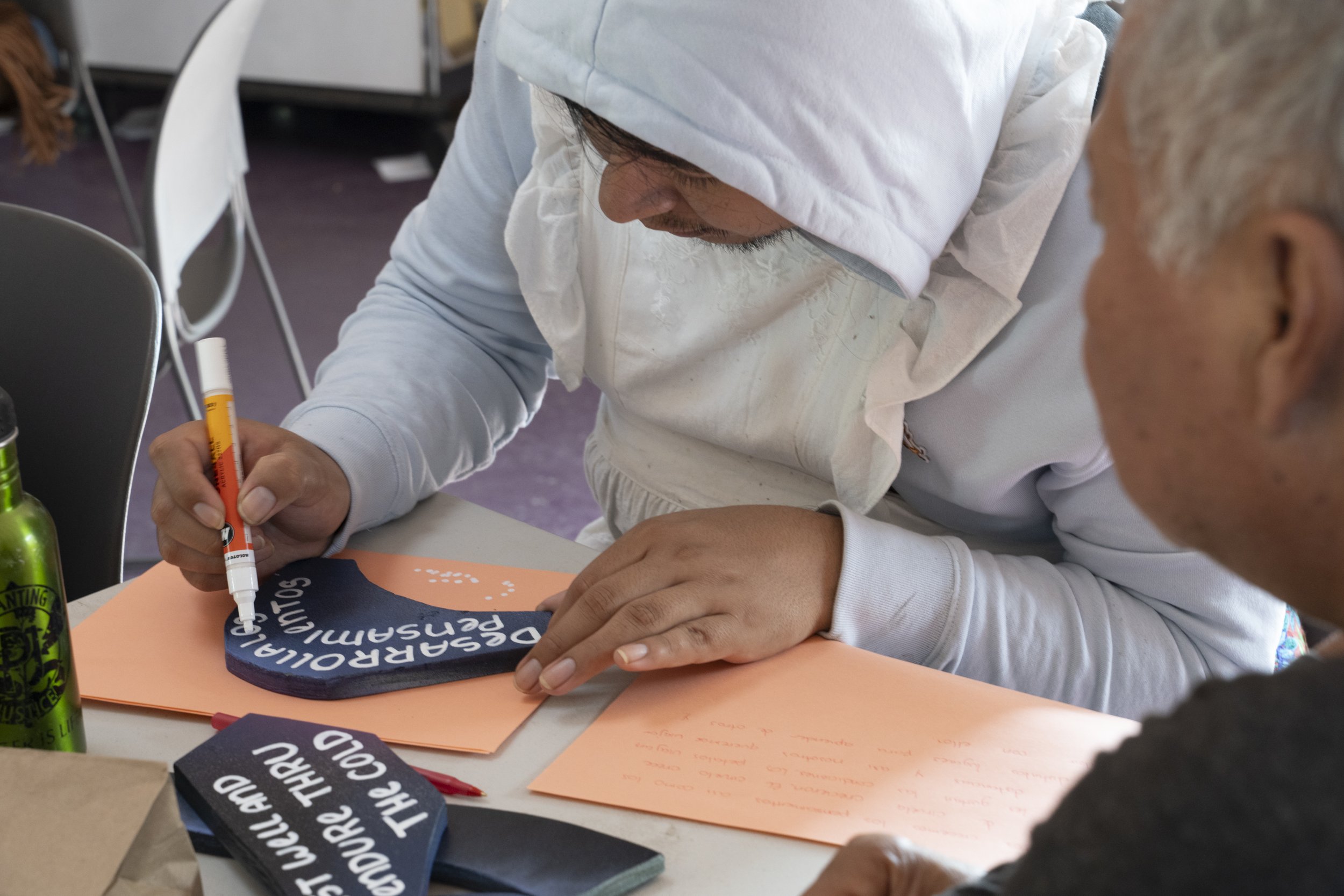
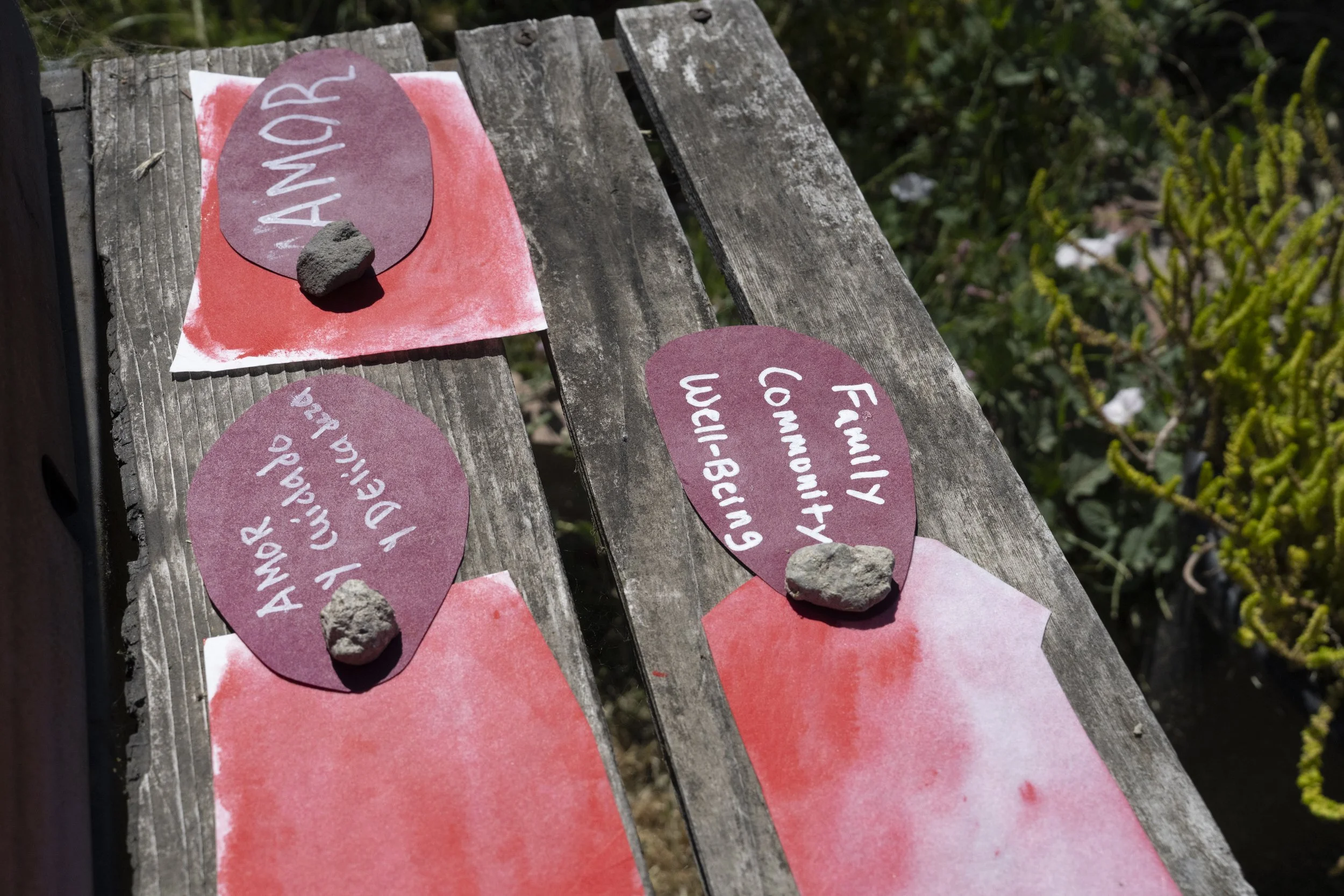
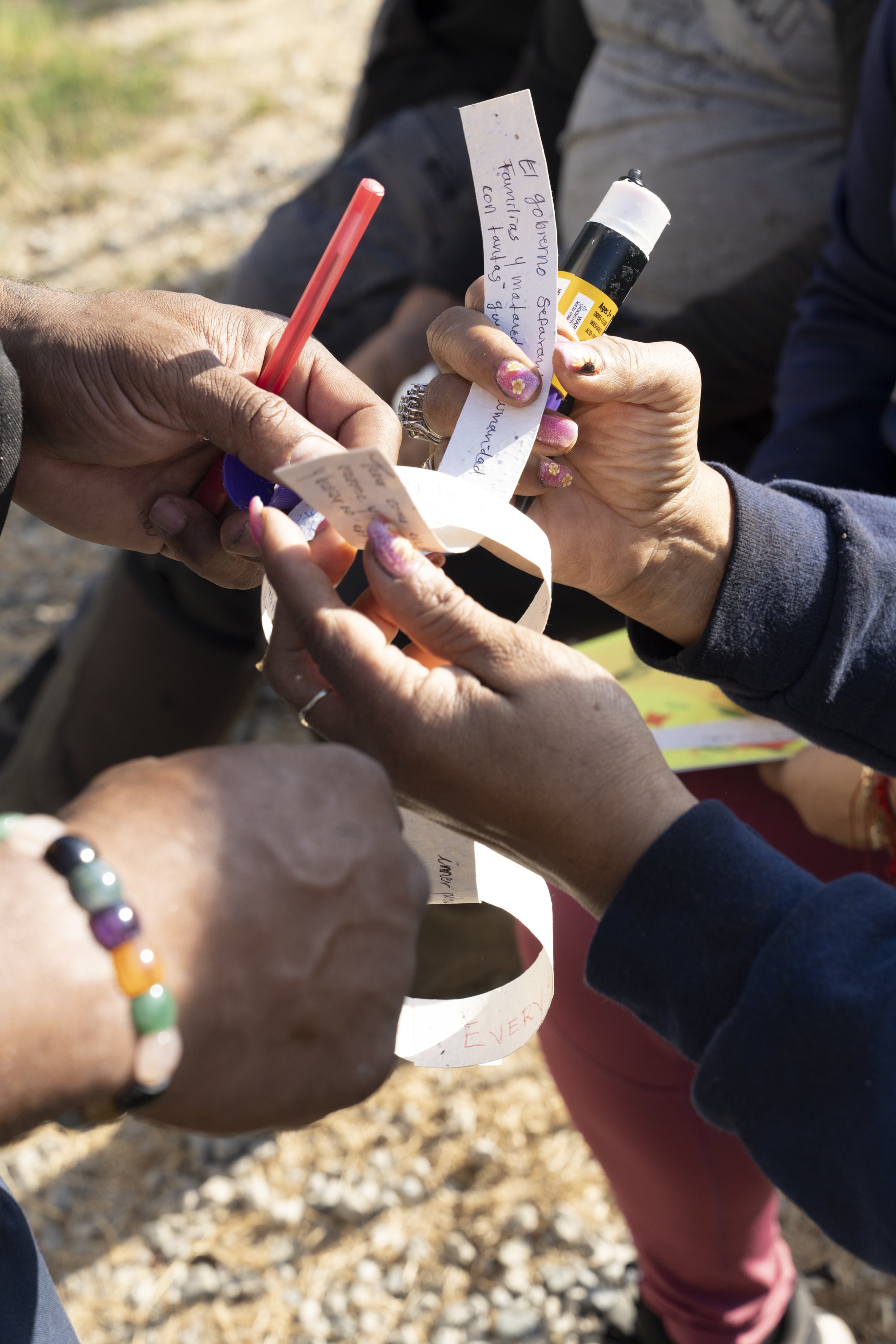
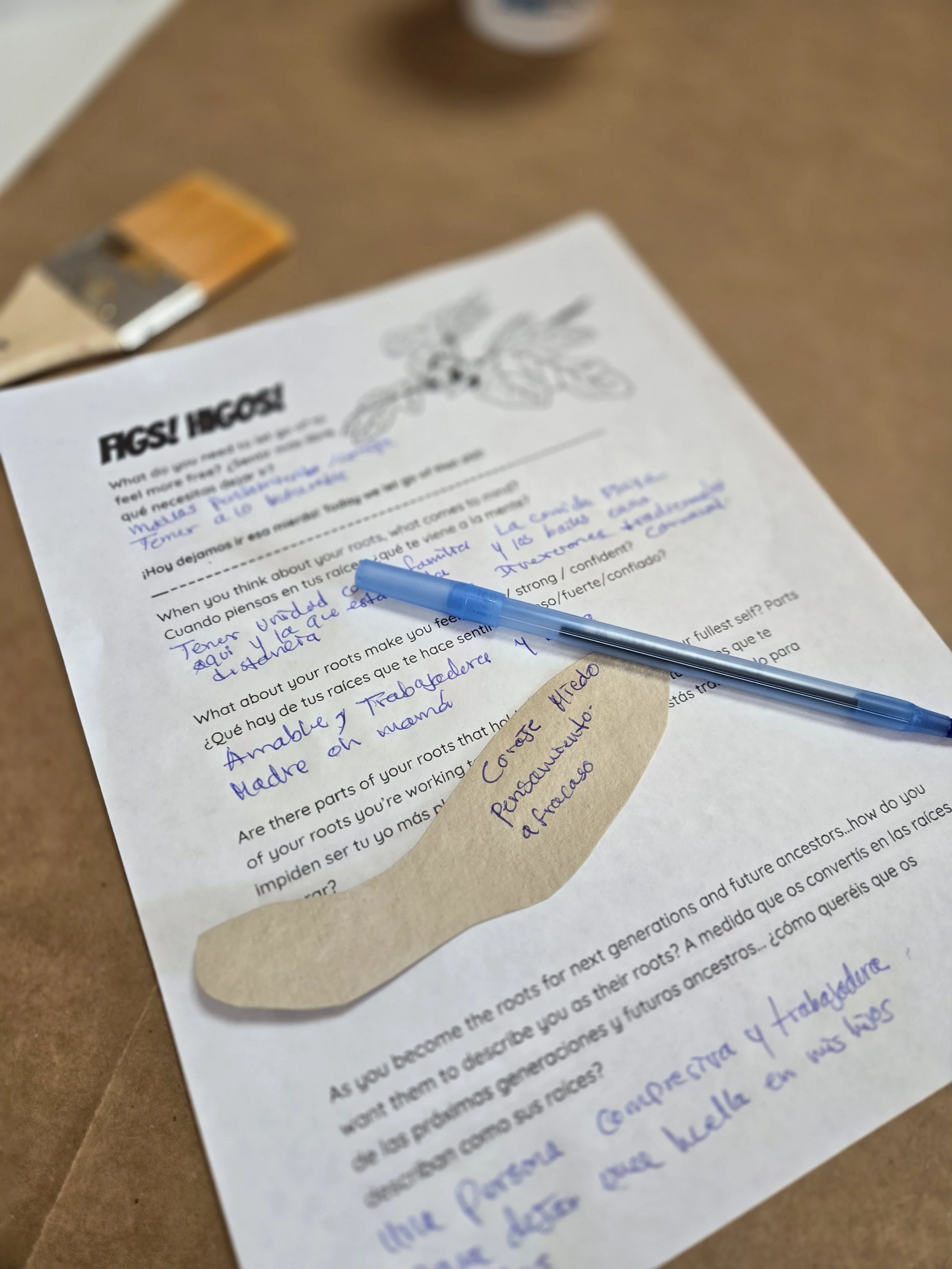
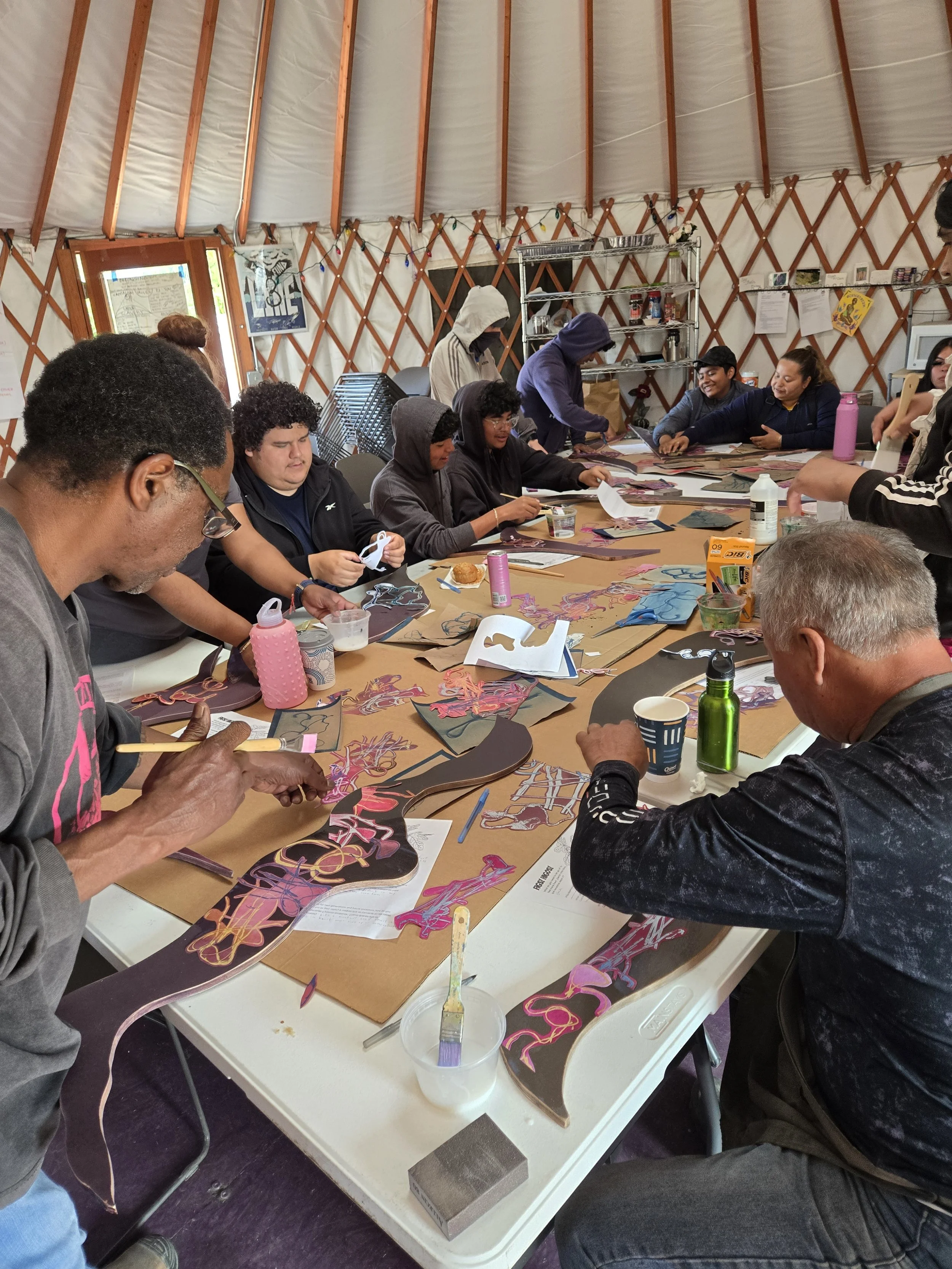
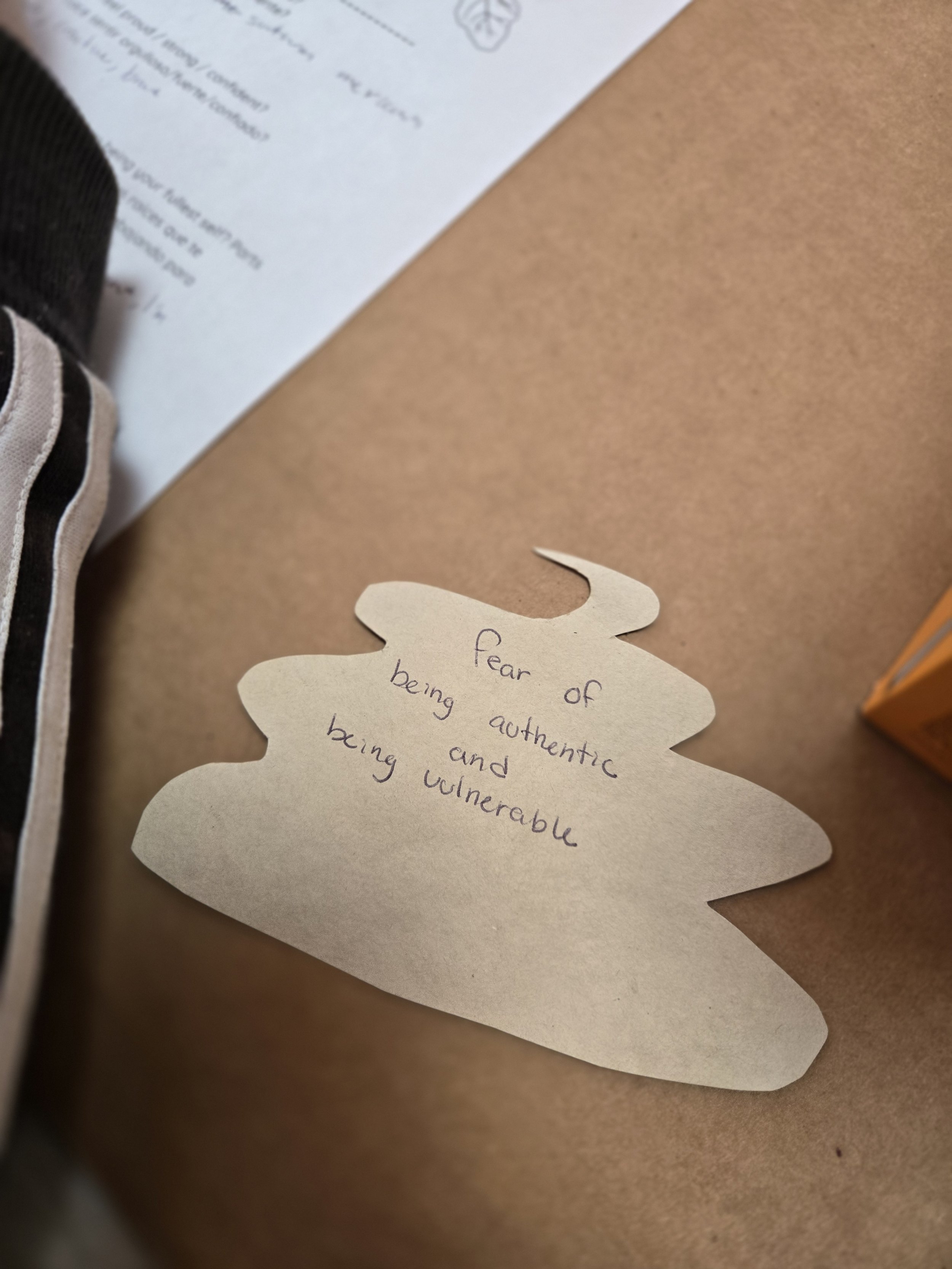
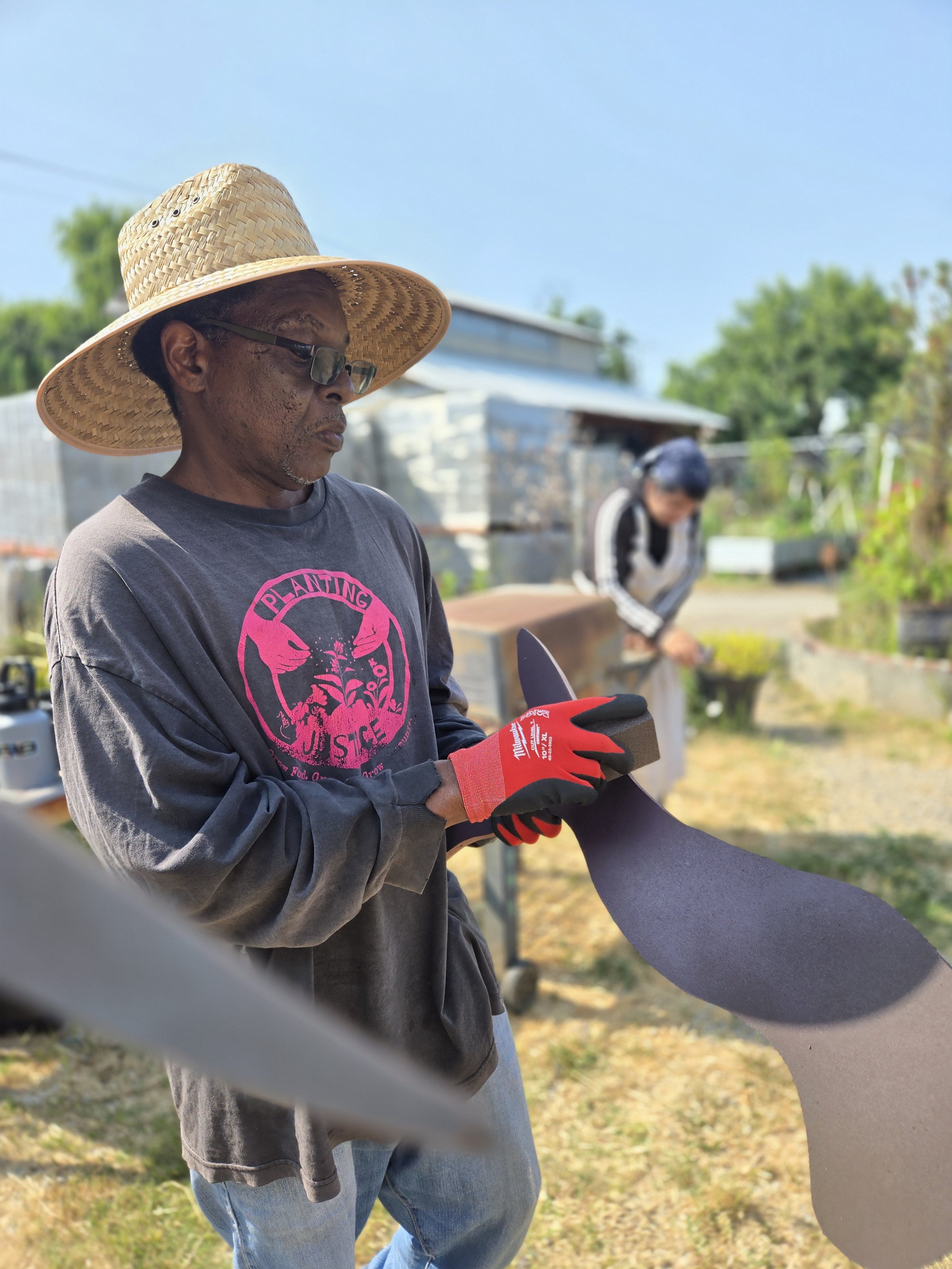
photos by Hiroyo Kaneko
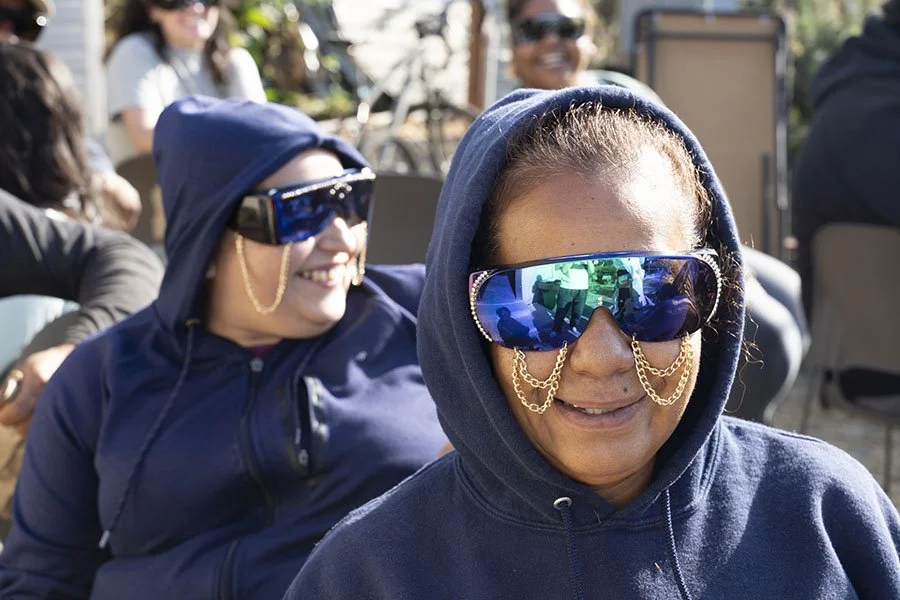
As a project inspired by childhood memories, it felt important to begin by inviting the spirit of healthy mischief, abundance and friendship into the room. The memories flowed and also came reflection about the circumstances that led to the loss of so many trees throughout the 90s and early 2000s. .
“We’d go on a fruit heist!….Once the fruit trees started going away, the world started going crazy in my neighborhood. Once the trees started going away, that’s when we started having dope.”
-Otis Spikes
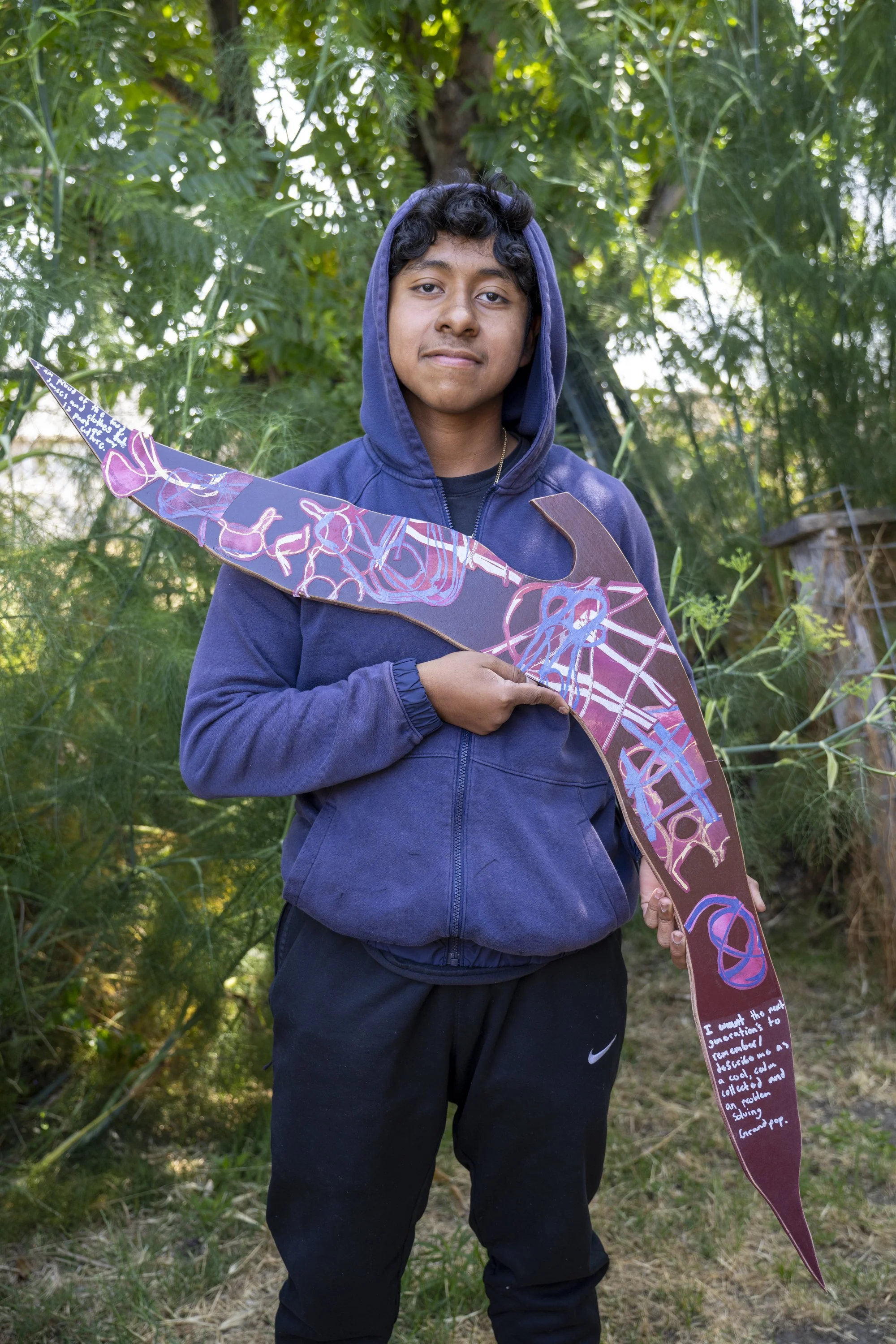
photos by HIroyo Kaneko
The Process:
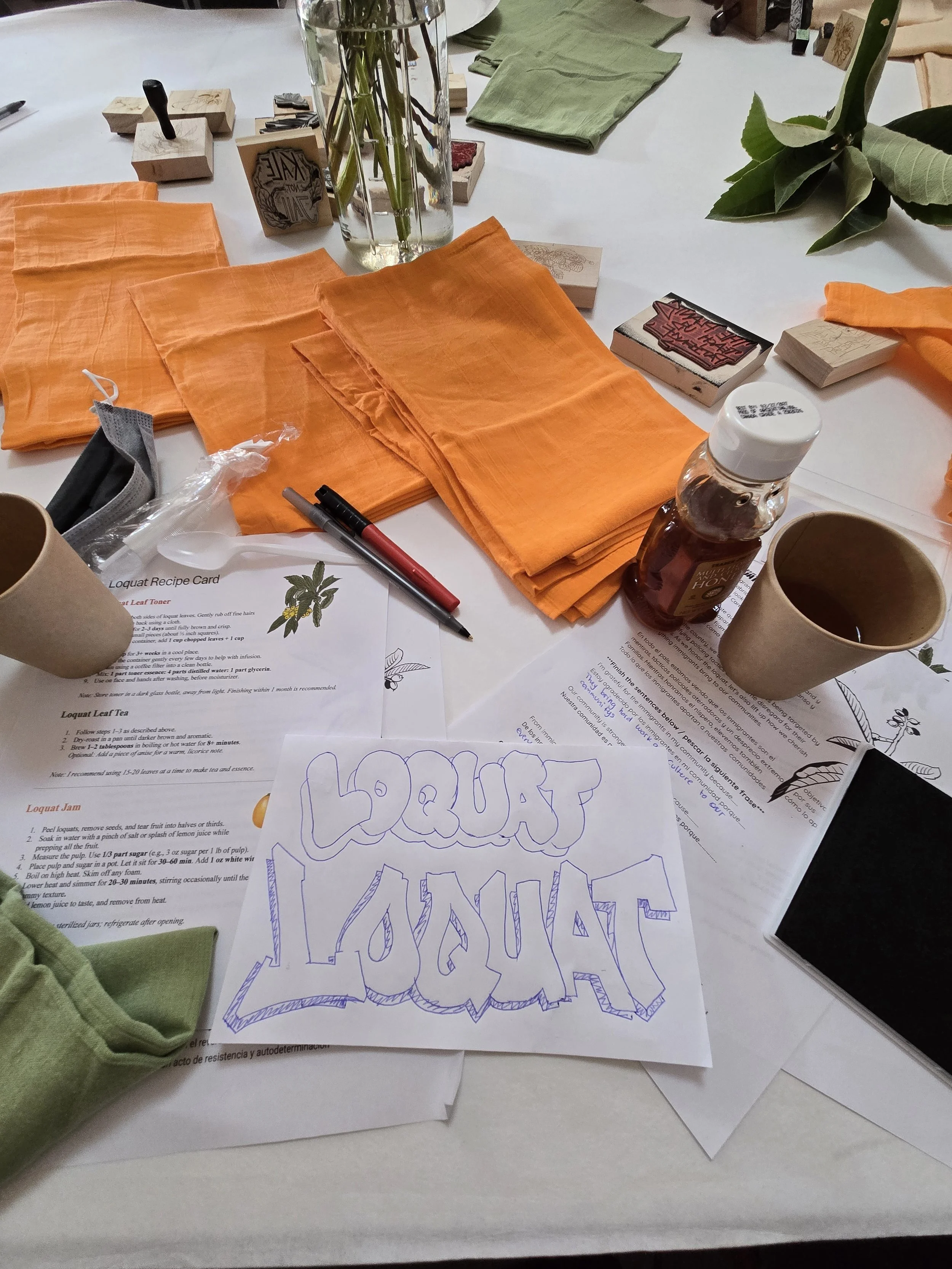
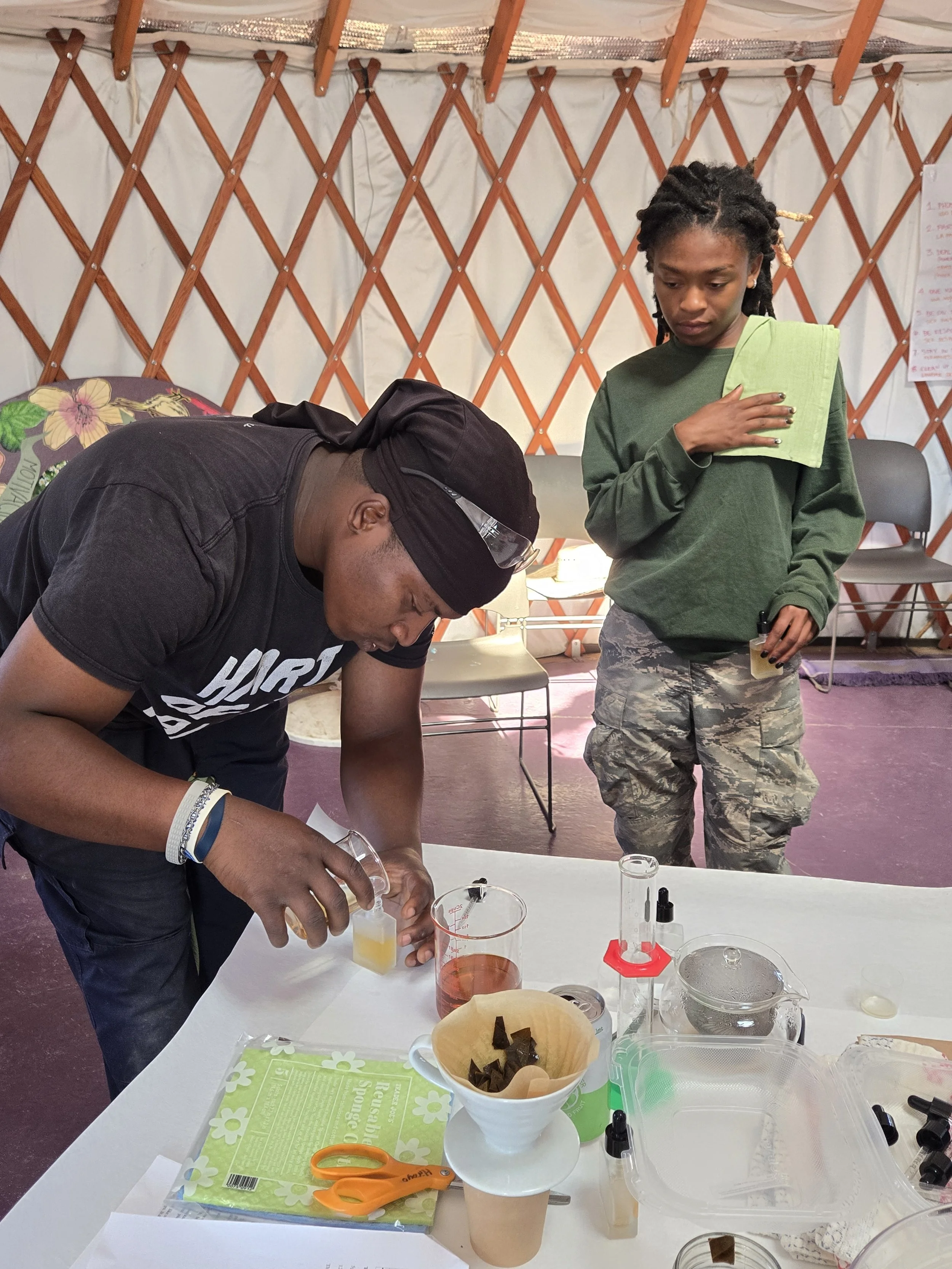
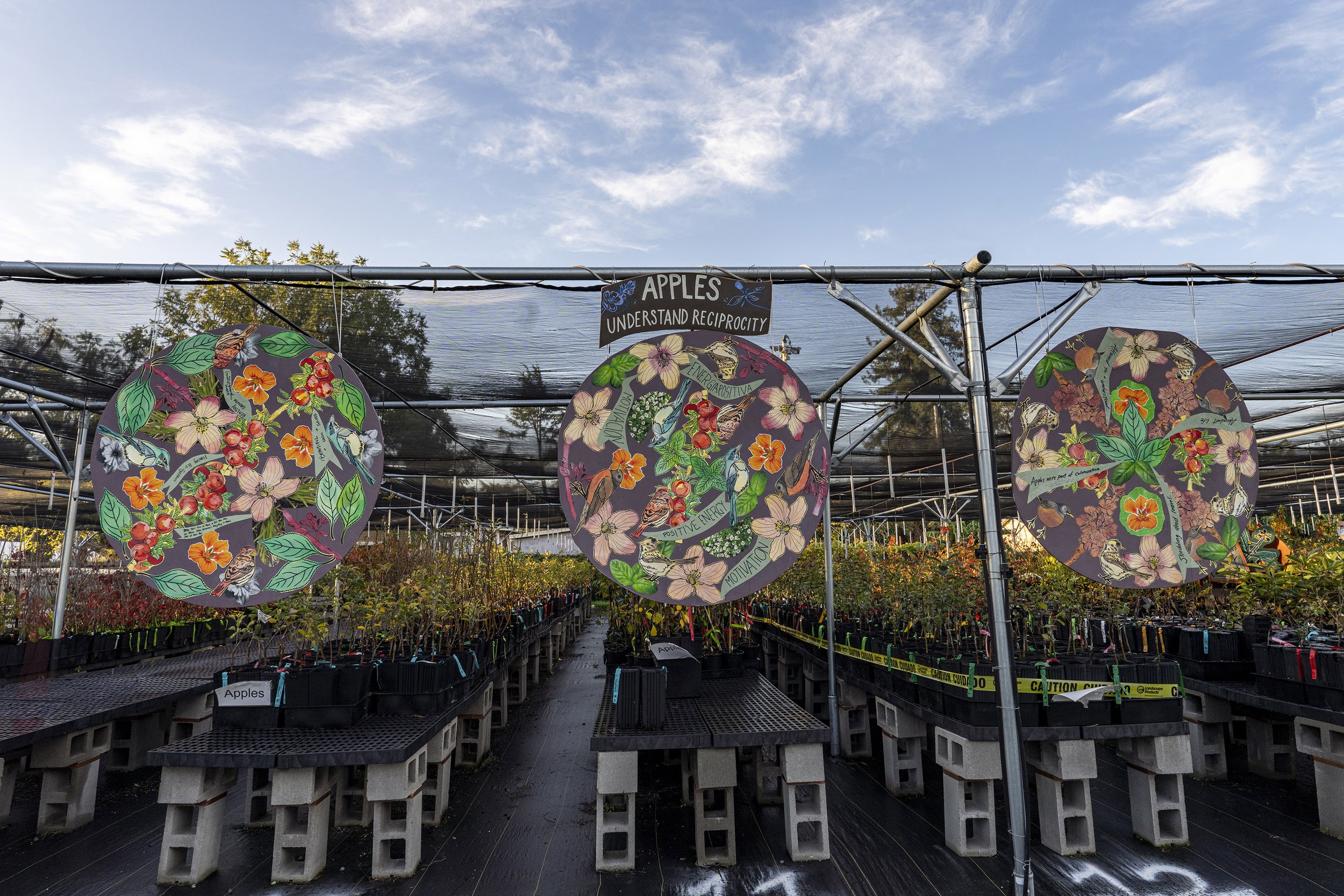
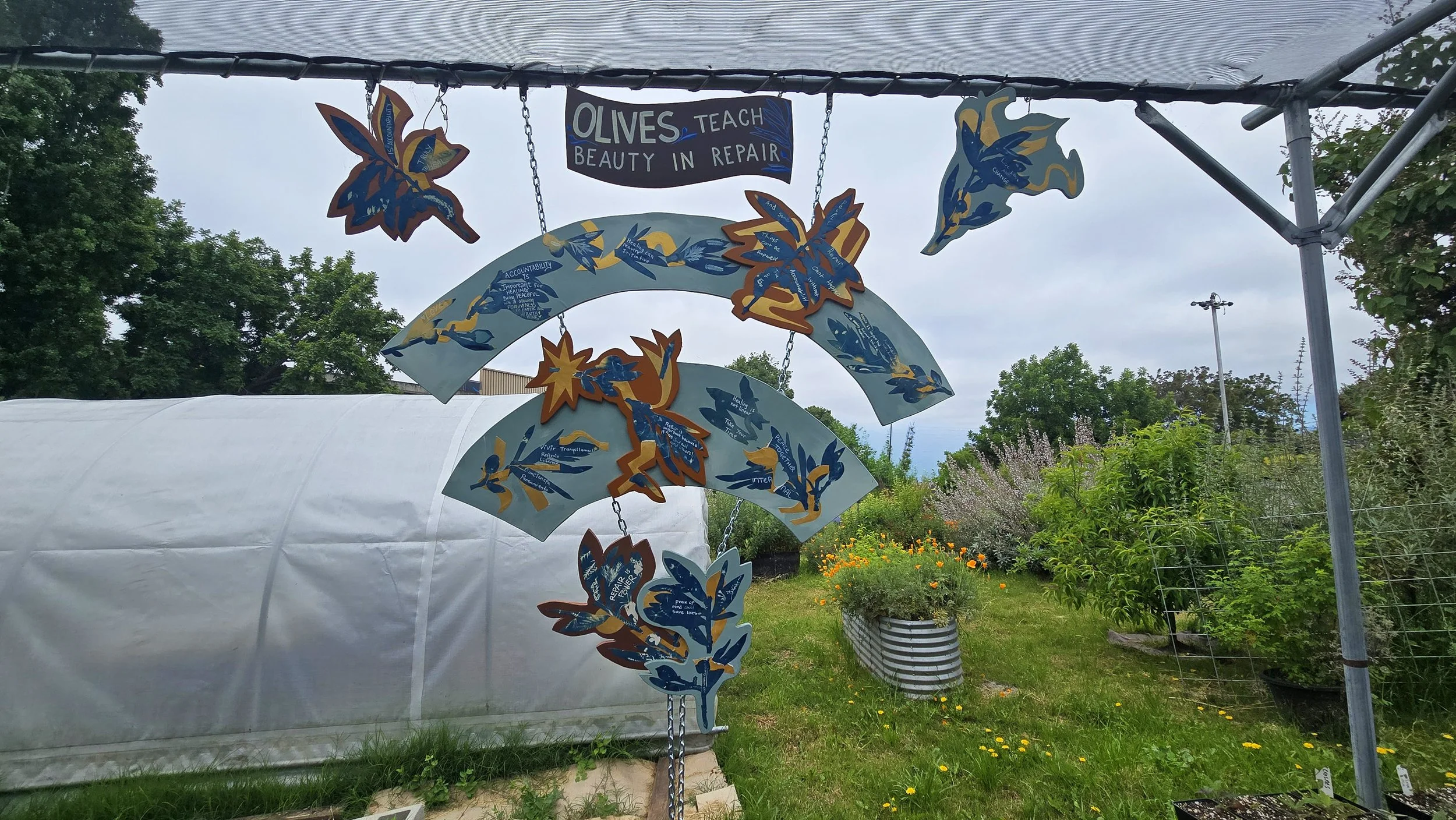
To create the workshops, we identified the trees most planted as part of the fruit tree give away project. Apples, Figs, Pears, Olives, Loquats, and Plums. Researching the history of each tree, we noticed the cornerstones that enable them to thrive as beings that offer fruit. In the process of studying the trees like friends in a story, we uncovered how each tree models abolitionist values in their orientation toward life. The art team worked together to build workshop experiences that immersed Planting Justice staff into reflective conversations through the lens of curious observations of each tree.
When faced with food sources that have found ways to survive for hundreds and in some cases thousands of years, their wisdom can feel like an invitation from a sage auntie.
The creative pieces built into each workshop were designed to feel like the spirit of each fruit offered a space to play, to dream, to relax into good mischief. From this place of joy, humor and imagination, our relationships with each other and the trees can fortify. .
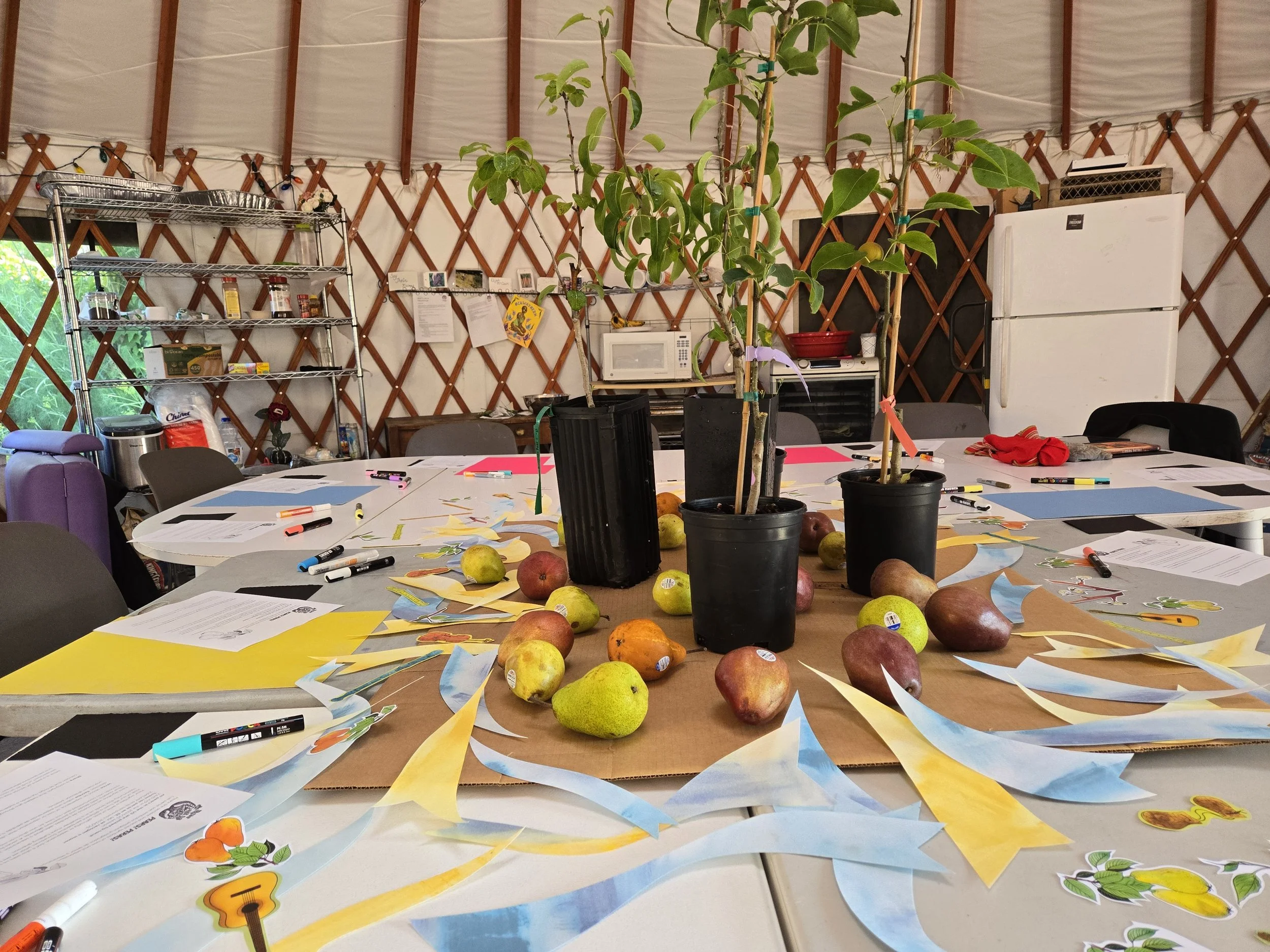
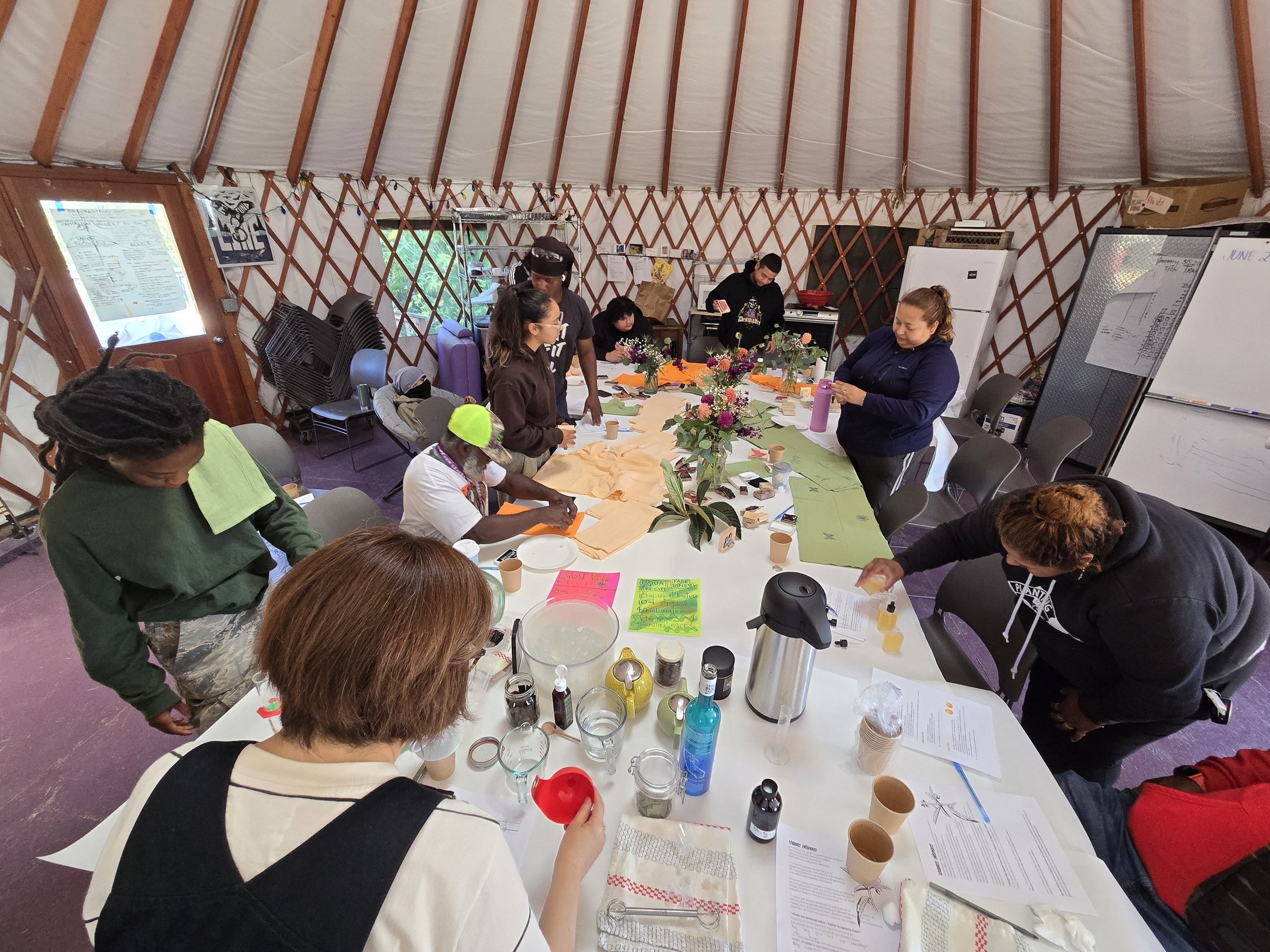
Observing trees like they are mentors in a world where interdependence, reciprocity, repair and rest are laws of the land, calls us to remember the true breathe of how we could flourish if we grounded in life affirming systems. We find ourselves frustrated by the failures of existing systems and wonder, “But what do we do instead?!” forgetting that the natural world practices the solutions to our problems everyday. This project paired abolitionist tree teachings with conversation and creative reflection in behalf of ongoing community wide percolations about the true power of a neighborhood that grows and shares food.
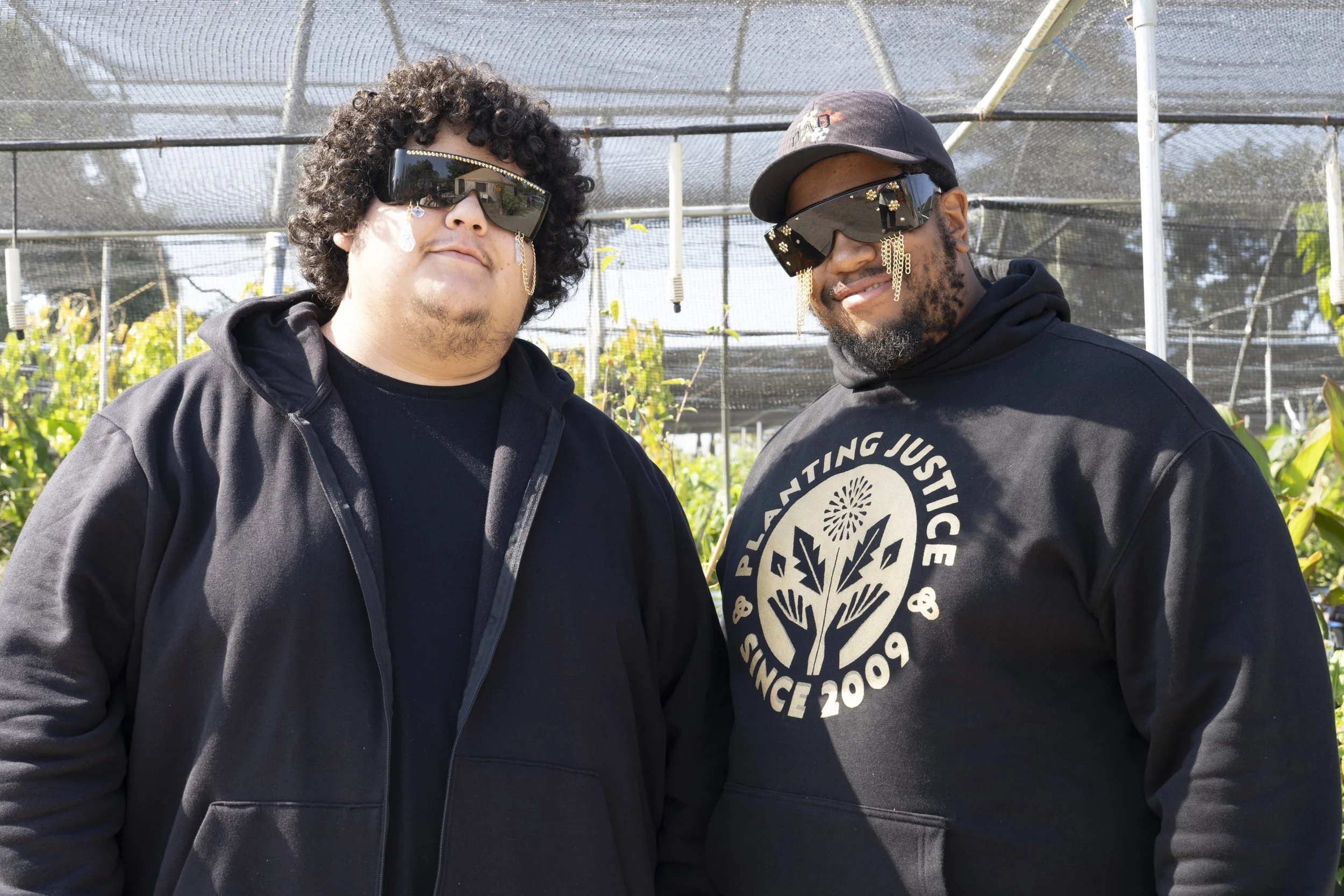
Now you can go to the nursery and experience installations throughout the farm created using all of the content and art made during the workshops.
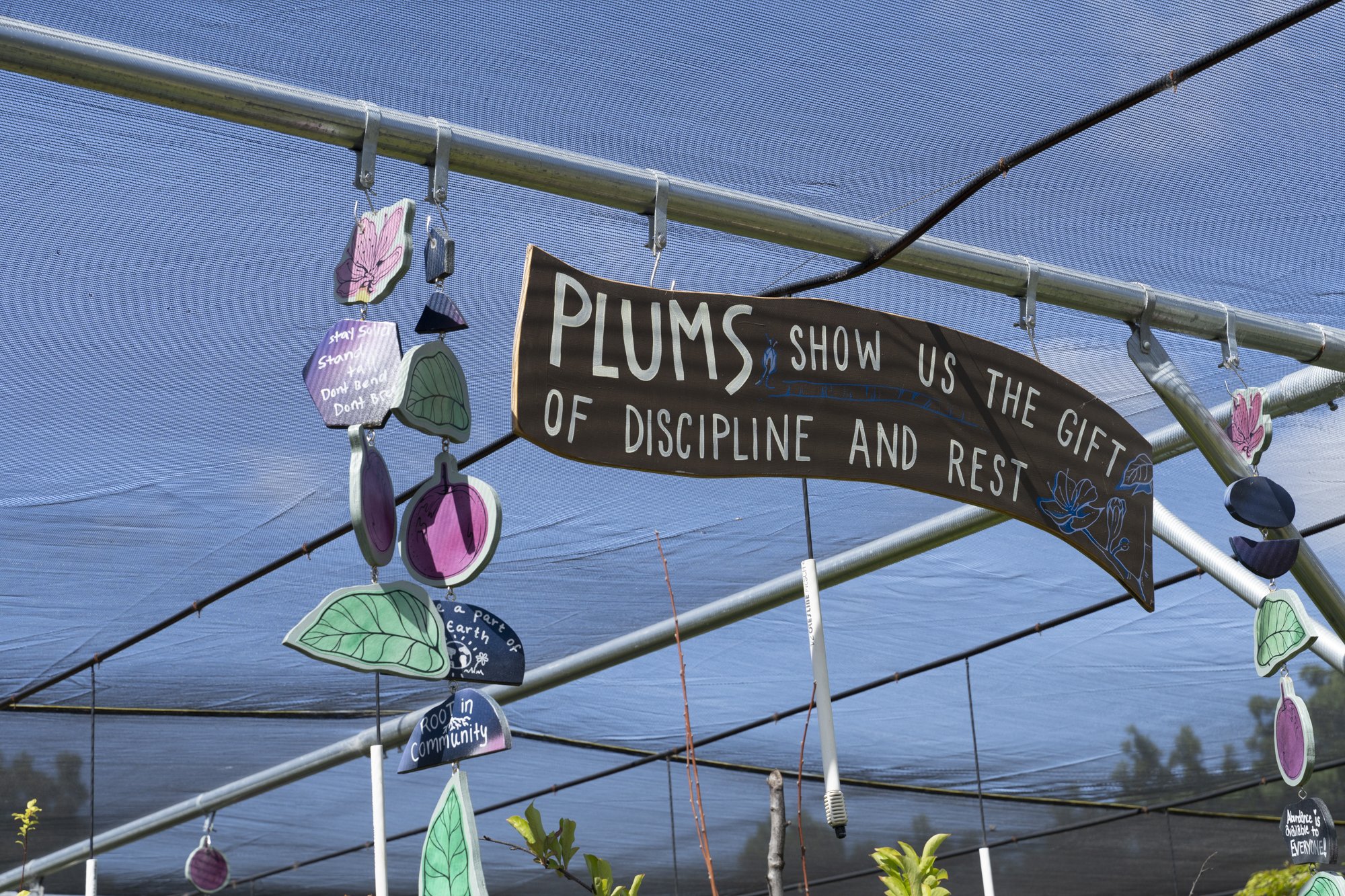
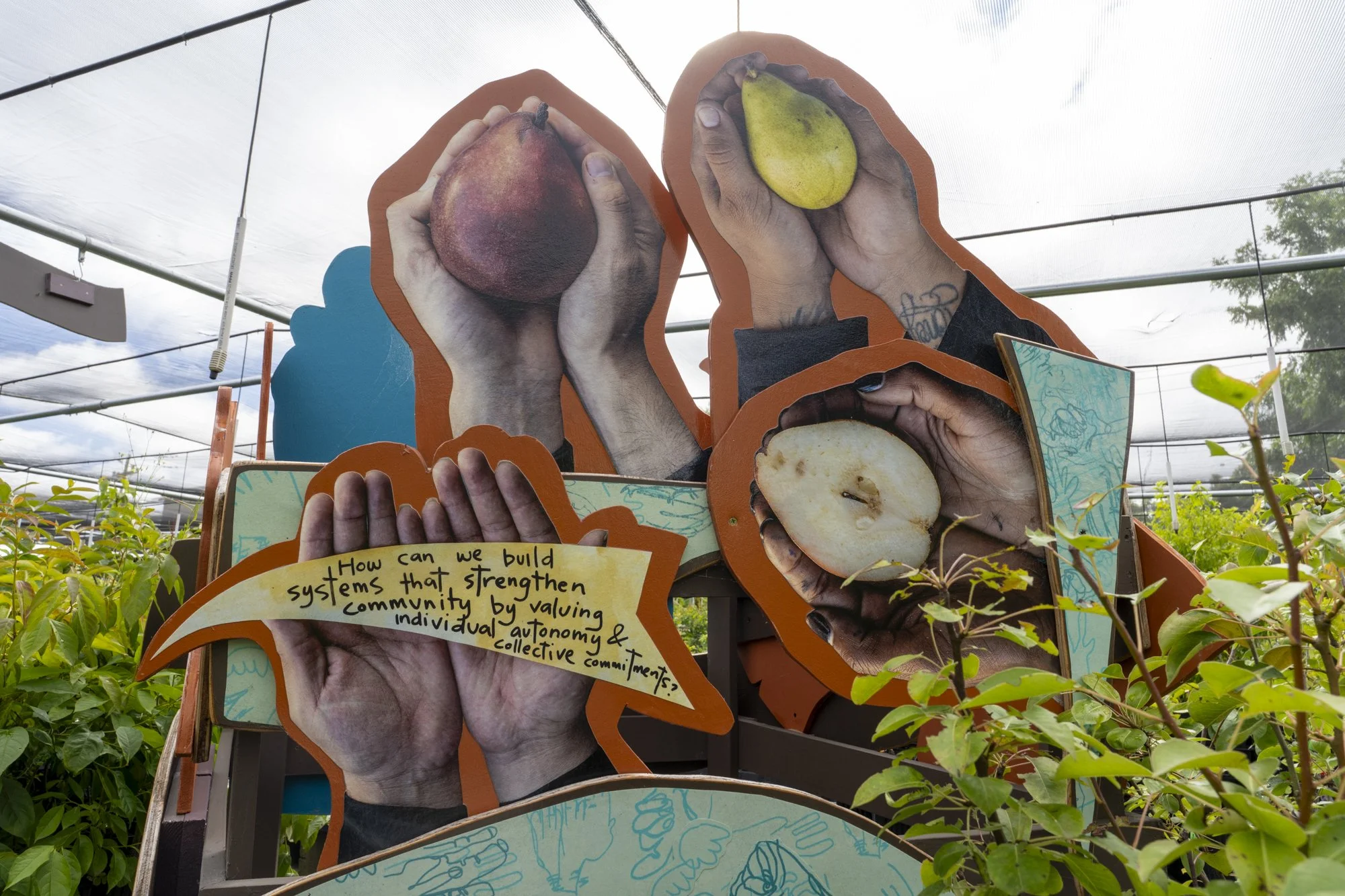
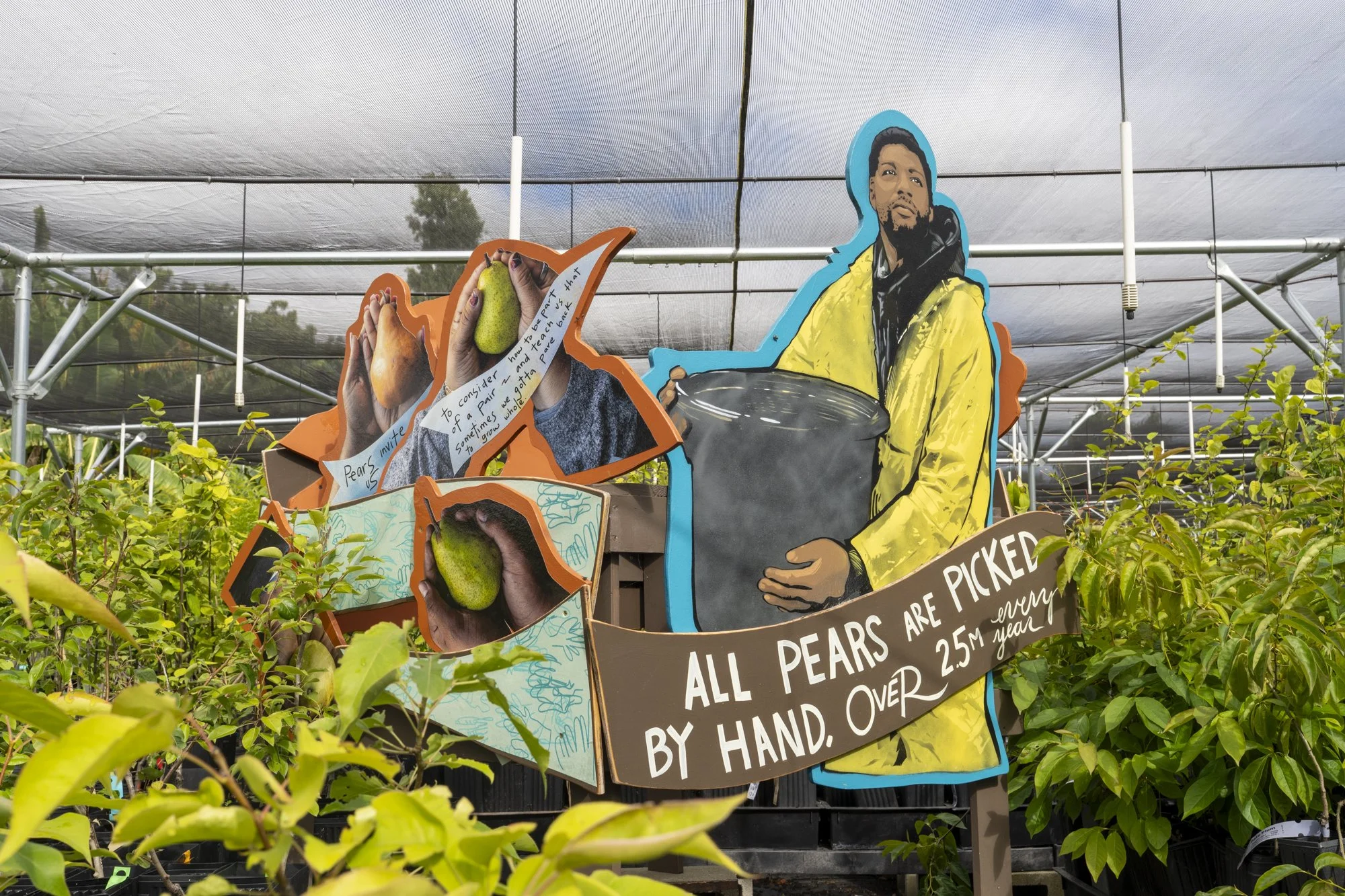
The zine:
In an effort to create something that carried the spirit of the workshops and could be used as a guide for deepening engagement with the art installations at the nursery, we created this zine. We worked with Jason Killinger to organize the teachings, Hiroyo’s beautiful photos, the incredible community interviews, Malaya’s illustrations and our vision of something that feel like an artifact, a workbook, an abolitionist graphic novel authored by the trees themselves.
enjoy.
This project is an example of what can be built over time and how art is an incredible vehicle for holding conversations and creative engagement that can serve to deepen commitment, connection and collective vision. Work like this supports the goals of mission driven organizations, campaigns and educational settings. Please reach out if you’re interested in collaborating on a creative project that may support the goals of your work.